Exploring Data Destruction Hardware
In our increasingly digital world, where data drives decisions and powers innovations, ensuring its security has never been more vital. As businesses and individuals generate and store vast amounts of data, the looming question becomes evident: How do we effectively destroy data when it’s no longer needed or when its confidentiality must be maintained? The answer lies in the sophisticated realm of “data destruction hardware.”
Understanding Data Destruction Hardware
Data destruction hardware isn’t just a term; it’s a commitment to data security. It refers to a range of specialised equipment meticulously designed to securely and permanently erase data from various storage devices. Data destruction hardware permanently removes data, preventing unauthorised recovery and leaving no traces behind.
The Inadequacy of Traditional Deletion
At a glance, hitting the ‘delete’ button or formatting a storage device might seem like enough. However, in reality, these actions merely remove the pathway to the data, not the data itself.
This means that with the right tools and expertise, “deleted” data can often be resurrected. This is a glaring vulnerability, especially when sensitive information is at stake. Data destruction hardware offers a tangible solution, ensuring that deleted truly means deleted.
Popular Data Destruction Hardware Methods
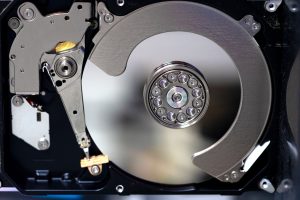
- Degaussing is crucial for data security in today’s world. Utilising powerful magnets, degaussing disrupts the magnetic fields within storage devices, making the data unreadable. This method is particularly effective for magnetic storage devices like traditional hard drives and tapes. By ensuring that once data is deleted, it remains irretrievable, degaussing offers peace of mind to businesses handling sensitive data.
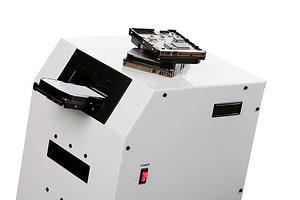
- Drive Destruction: The very name evokes the thoroughness of the process. Imagine a device that takes a hard drive and transforms it into a mound of unrecognisable fragments. That’s precisely what drive destruction tools, such as hard drive shredders, accomplish. They don’t just delete; they destroy the hard drive entirely, leaving absolutely no chance for data recovery. This method underscores the lengths businesses must traverse to ensure the utmost protection of their data.
- Overwriting: While this technique might seem software-centric at first glance, there are specialised hardware tools explicitly crafted for the task. Overwriting replaces existing data with random sequences of information, repeatedly. With each overwrite cycle, the original data fades further into obscurity, ensuring that sensitive data is rendered increasingly inaccessible. This method ensures data is completely erased, giving a feeling of relief and assurance that the data is gone.
Choosing the Right Data Destruction Hardware for Your Needs
The ideal method for data destruction varies based on several factors:
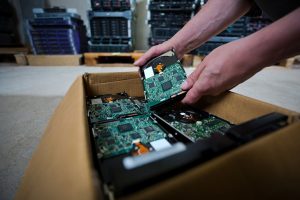
- Volume of Data: Handling a couple of hard drives is different from managing a warehouse full of outdated servers. Automated solutions like degaussers or shredders can efficiently process large volumes of data.
- Type of Storage Media: Not all storage devices are created equal. For instance, SSDs, with their lack of magnetic storage, are immune to degaussing, necessitating alternative destruction methods.
- Regulatory Compliance: Industries like healthcare or finance often have stringent data disposal regulations. It’s crucial to ensure that your chosen destruction method not only meets but exceeds these standards.
- Environmental Concerns: In our eco-conscious world, the environmental impact of data destruction is a valid concern. Methods that allow component recycling, like degaussing, are often more environmentally friendly than, say, physical destruction.
Conclusion
In our intricate digital ecosystem, the stakes surrounding data security have never been higher. Every byte of data, whether it’s a simple email or a complex database, holds value and potential risk. We have a responsibility to protect and securely dispose of the data we generate and use as businesses and individuals. Data destruction hardware provides a reliable way to make sure that data is completely and accurately destroyed when needed.
Moreover, as cyber threats evolve and become more sophisticated, our approach to data destruction must keep pace. It’s not just about meeting the standards of today but anticipating the challenges of tomorrow. By using data destruction solutions, we protect our interests now and strengthen our defenses for the future.
Data breaches can harm reputations, finances, and trust. Thoroughly destroying data is crucial to prevent these negative consequences.
Data destruction hardware is more than just technology. It’s about protecting privacy, ensuring security, and building trust. In the digital age, we are committed to completely and permanently destroying data to show our dedication to these principles. For more information on how to protect your data, visit Varese Secure’s services page.
-
What Is Chain of Custody in Secure Data Destruction?
Chain of custody in secure data destruction is the documented record of who controlled data-bearing assets, where those assets were held and when responsibility passed from one person, team or organisation to another. Its purpose…
-
How Strong Does a Degausser Need to Be to Destroy Hard Drive Data?
There is no single magnetic-field strength that automatically makes a degausser suitable for every hard drive. The important relationship is between the magnetic field produced by the degausser and the coercivity of the magnetic media…
-
Why Asset Serial Numbers Matter in Data Destruction
When an organisation sends 100 hard drives for secure destruction, knowing that 100 drives were destroyed is useful. Knowing which 100 drives were destroyed provides a much stronger level of traceability. That is where asset…