In an age where data breaches can cost businesses millions, securely disposing of old storage devices has never been more important. Whether you’re a business owner, IT manager, or data protection officer, you’ve likely asked yourself: what’s the best way to destroy hard drive data for good?
This blog compares the most popular hard drive destruction methods and explains which is the most effective, secure, and GDPR-compliant for UK businesses in 2025.
Why Proper Destruction Matters
Old hard drives may contain sensitive information such as:
- Customer details and financial records
- Intellectual property and legal documents
- Passwords and access credentials
- Personal staff data
If this information is recovered, you could face serious consequences, including GDPR fines of up to £17.5 million or 4% of annual global turnover.
Let’s examine the options and find the best way to destroy hard drive securely.
Method 1: Software Wiping
Overview: Uses overwriting software to erase data on a drive multiple times.
Pros:
- Drive can be reused
- Environmentally friendly
- Relatively low cost
Cons:
- Time-consuming for multiple drives
- Ineffective on damaged or encrypted drives
- Data may still be recoverable if wiping is incomplete
Verdict: Not the best way to destroy hard drive data if you need guaranteed erasure or are disposing of high-risk devices.
Method 2: Degaussing
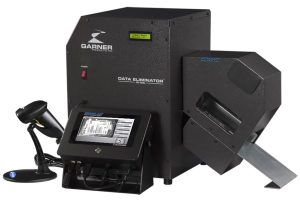
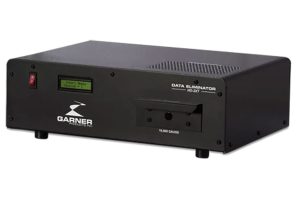
Overview: Uses a high-powered magnetic field to disrupt the magnetic domains in HDDs, rendering data unreadable.
Pros:
- Quick and effective for bulk erasure
- Compliant with GDPR and ISO 27001
- Irreversible for magnetic media
Cons:
- Does not work on SSDs or optical media
- Requires professional equipment
Verdict: One of the best ways to destroy hard drive data on magnetic devices. Ideal for regulated industries and bulk processing.
Method 3: Physical Destruction (Crushing or Shredding)
Overview: Physically deforms or pulverises the drive to destroy internal components.
Pros:
- Works on all media types, including SSDs
- Visual proof of destruction
- Instant and irreversible
Cons:
- Equipment can be costly
- May require off-site processing for large volumes
Verdict: Arguably the best way to destroy hard drive when total, irreversible data destruction is required.
Method 4: Drilling or DIY Destruction
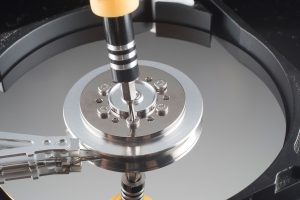
Overview: Using a drill or hammer to damage the hard drive manually.
Pros:
- Cheap and easy to perform at home
- Satisfying as a one-off solution
Cons:
- Does not guarantee complete destruction of all data
- No compliance documentation
- Safety risk from flying debris or toxic materials
Verdict: Not suitable for businesses or GDPR compliance. Not the best way to destroy hard drive for any organisation.
So, What’s the Best Way to Destroy Hard Drive in 2025?
Here’s a breakdown to help you decide:
- For Magnetic HDDs: Degaussing, followed by physical destruction for high-security applications
- For SSDs or Encrypted Drives: Crushing or shredding using certified equipment
- For Reuse: Software wiping (only if verified and documented)
- For Compliance: Always choose certified, documented methods with audit trails
Secure Solutions with Varese Secure
At Varese Secure, we specialise in professional data destruction, offering:
- Certified degaussing and crushing
- On-site and off-site destruction
- GDPR and ISO 27001 compliance
- Certificates of Destruction and full audit trails
- Secure handling of HDDs, SSDs, tapes, and mobile devices
Don’t risk your reputation with DIY solutions. Choose the best way to destroy hard drive data: secure, certified, and compliant.
Need help destroying old drives securely?
📞 Call us at +44 (0)1489 854 131
📧 Email: sales@varese-secure.co.uk
Or visit our Degaussing Services page to get started
Frequently Asked Questions (FAQs)
Q1: What is the absolute best way to destroy a hard drive?
A1: For maximum security, degauss the drive then physically crush or shred it. This combination ensures total data destruction.
Q2: Can I destroy a hard drive myself and stay GDPR compliant?
A2: No. DIY methods lack certification and audit trails, which are essential for compliance.
Q3: How do I know if a drive has been destroyed securely?
A3: Use a certified provider who offers documented proof, including serial number logs and a Certificate of Destruction.
-
PD5E Hard Drive vs Shredders: Which Offers Better Security and Speed?
As data protection regulations tighten, UK businesses are under more pressure than ever to securely dispose of end-of-life data storage. While shredders have traditionally dominated the market for physical media destruction, newer solutions like the…
-
How the HD-2XTE Compact Degausser Guarantees Secure Data Erasure for UK Businesses
In today’s data-sensitive landscape, businesses across the UK must ensure that all confidential and sensitive data is disposed of securely and permanently. For organisations relying on magnetic media, the HD-2XTE Compact Degausser stands out as…
-
Degaussing Explained: The Secure Way to Destroy Data Permanently
In a world increasingly governed by data, secure disposal of sensitive information is more critical than ever. Degaussing offers one of the most reliable and irreversible methods of data destruction available today. Whether you’re dealing…