
Posts by digiadmin
What Is Chain of Custody in Secure Data Destruction?

Chain of custody in secure data destruction is the documented record of who controlled data-bearing assets, where those assets were held and when responsibility passed from one person, team or organisation to another. Its purpose is to prevent gaps in accountability. A hard drive may eventually be shredded, degaussed or otherwise securely sanitised, but the…
Read MoreHow Strong Does a Degausser Need to Be to Destroy Hard Drive Data?
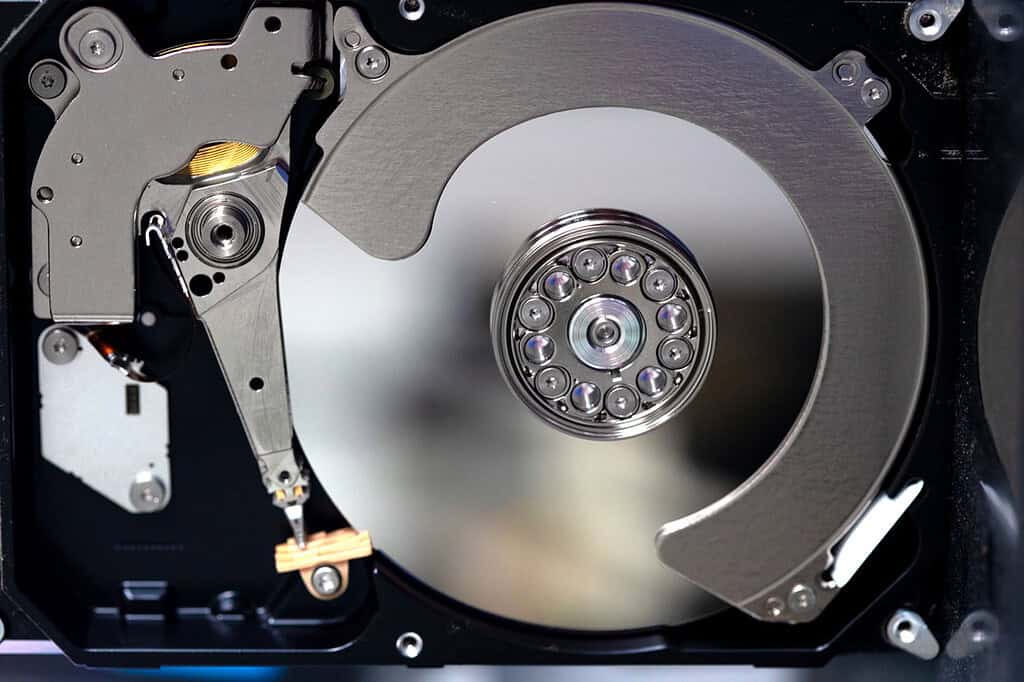
There is no single magnetic-field strength that automatically makes a degausser suitable for every hard drive. The important relationship is between the magnetic field produced by the degausser and the coercivity of the magnetic media being processed. The degausser must be sufficiently powerful for the particular media and recording technology involved. This matters because modern…
Read MoreWhy Asset Serial Numbers Matter in Data Destruction
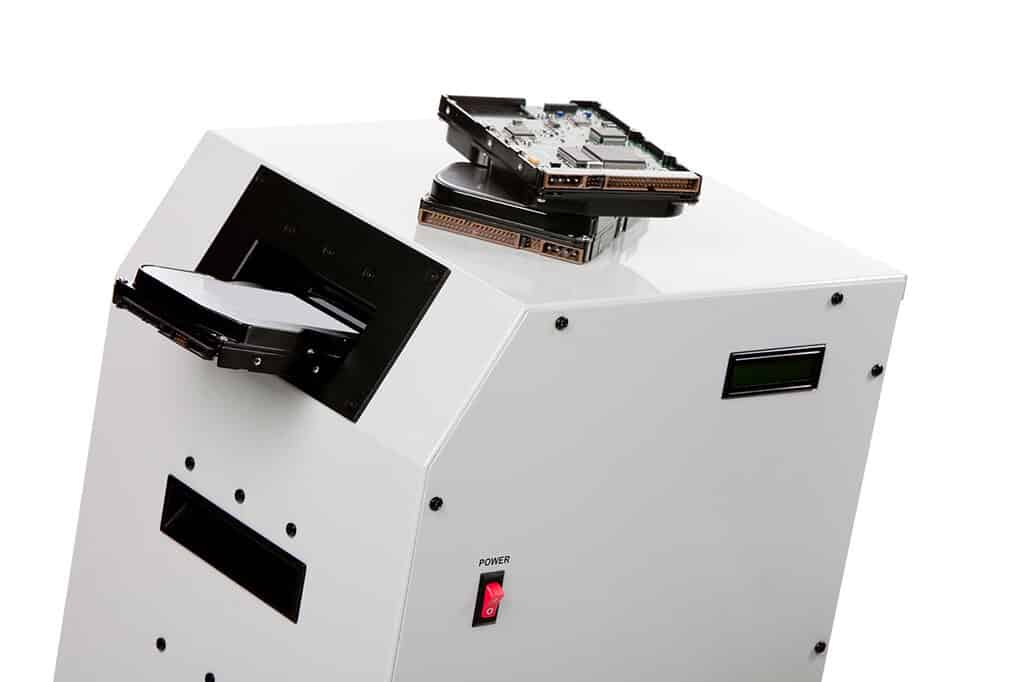
When an organisation sends 100 hard drives for secure destruction, knowing that 100 drives were destroyed is useful. Knowing which 100 drives were destroyed provides a much stronger level of traceability. That is where asset serial numbers become important. Recording an individual manufacturer’s serial number or another unique asset identifier allows a destruction record to…
Read MoreHow Can Businesses Balance Data Security and Responsible Recycling?
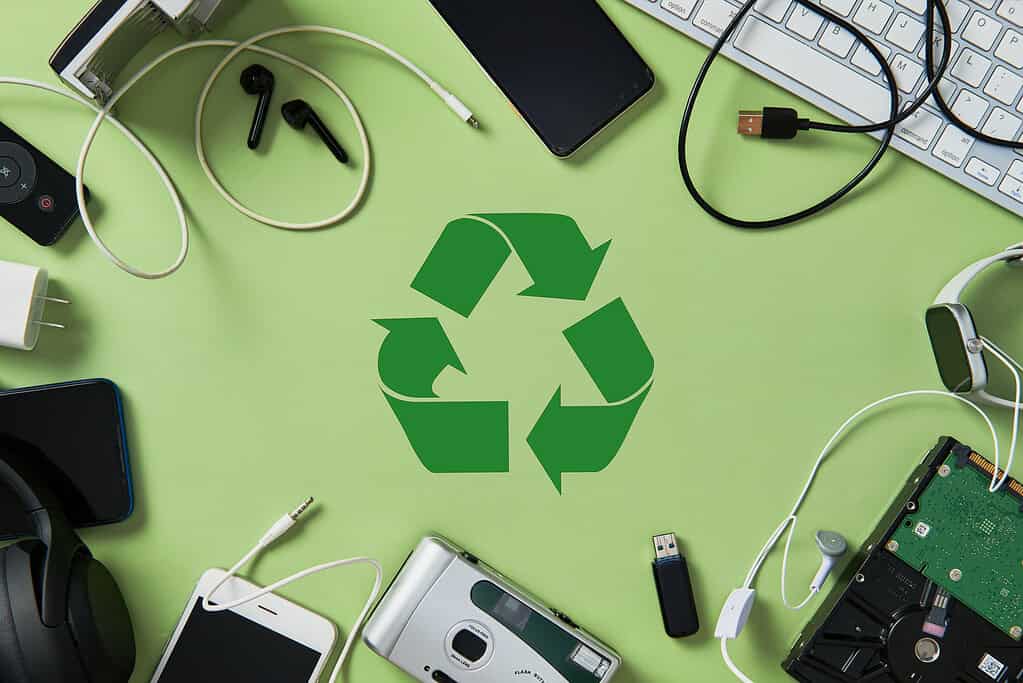
Supporting Questions: Businesses can balance data security and responsible recycling by making sure data-bearing assets are securely destroyed or sanitised before equipment enters the recycling process. The priority should always be to protect confidential and personal information first, then recover or recycle the remaining materials through an appropriate disposal route. This balance matters because redundant…
Read MoreCan Hard Drives Be Destroyed at Your Premises?
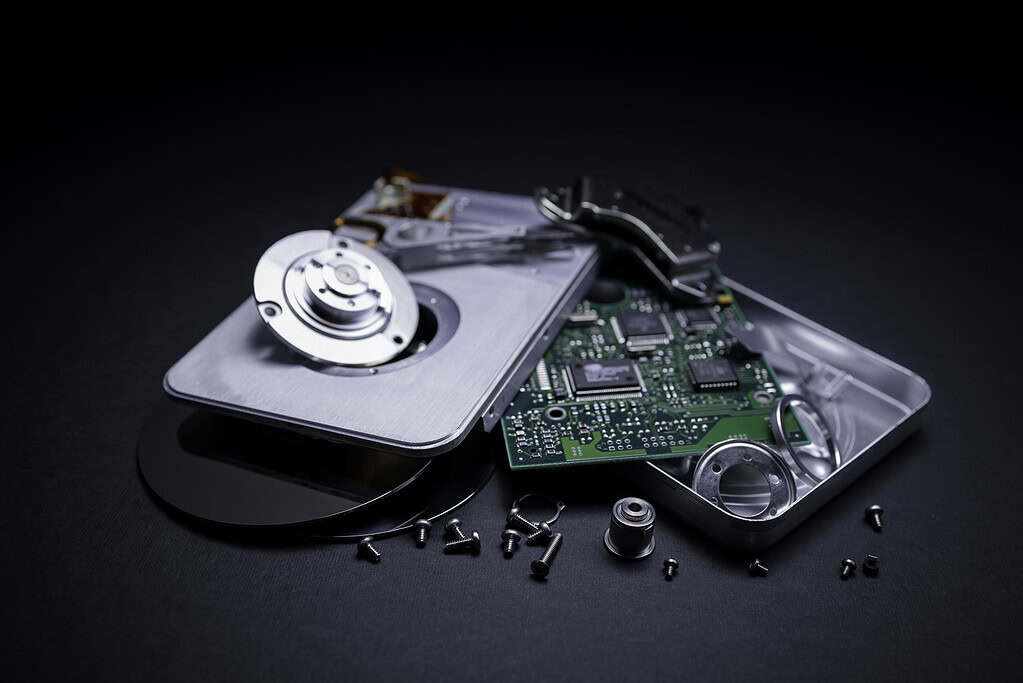
Yes, hard drive destruction can be carried out at your organisation’s premises using specialist mobile equipment and a controlled on-site process. On-site hard drive destruction allows data-bearing assets to remain within the organisation’s location until they have been physically destroyed. This can be particularly valuable for businesses that handle sensitive, confidential or regulated information and…
Read MoreWhat Types of Devices Can a Solid-State Media Shredder Destroy?
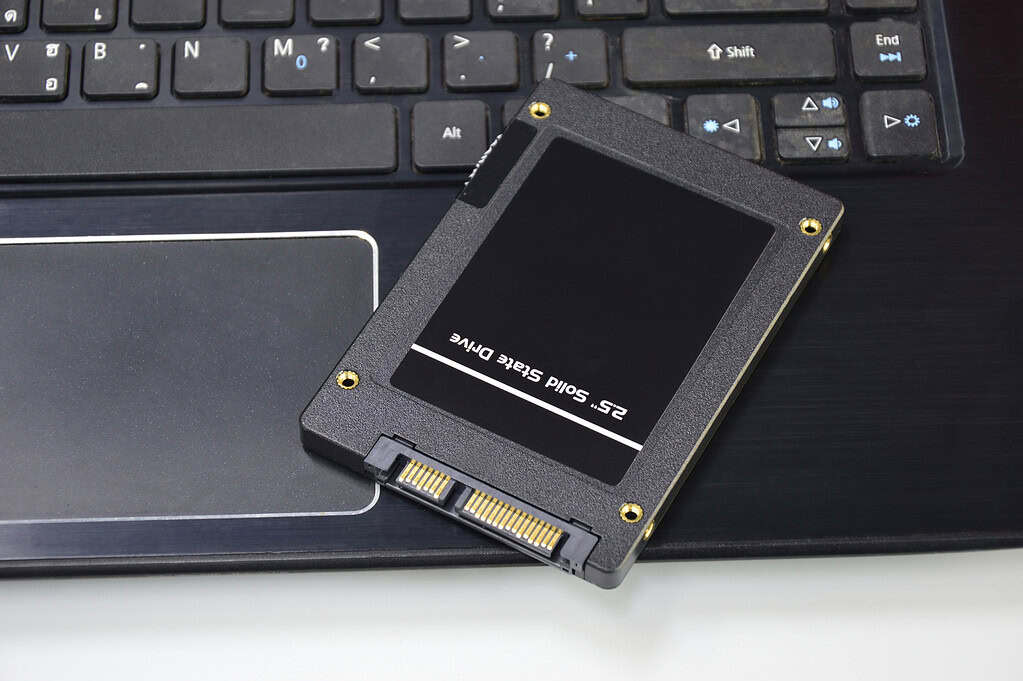
A solid-state media shredder can destroy a wide range of devices that store data electronically in flash memory. These may include solid-state drives, USB flash drives, memory cards, small storage modules and some data-bearing circuit boards. However, suitability depends on the shredder’s design, input dimensions and output particle size. A machine designed for standard 2.5-inch…
Read MoreWhat Happens to Hard Drive Materials After Shredding?
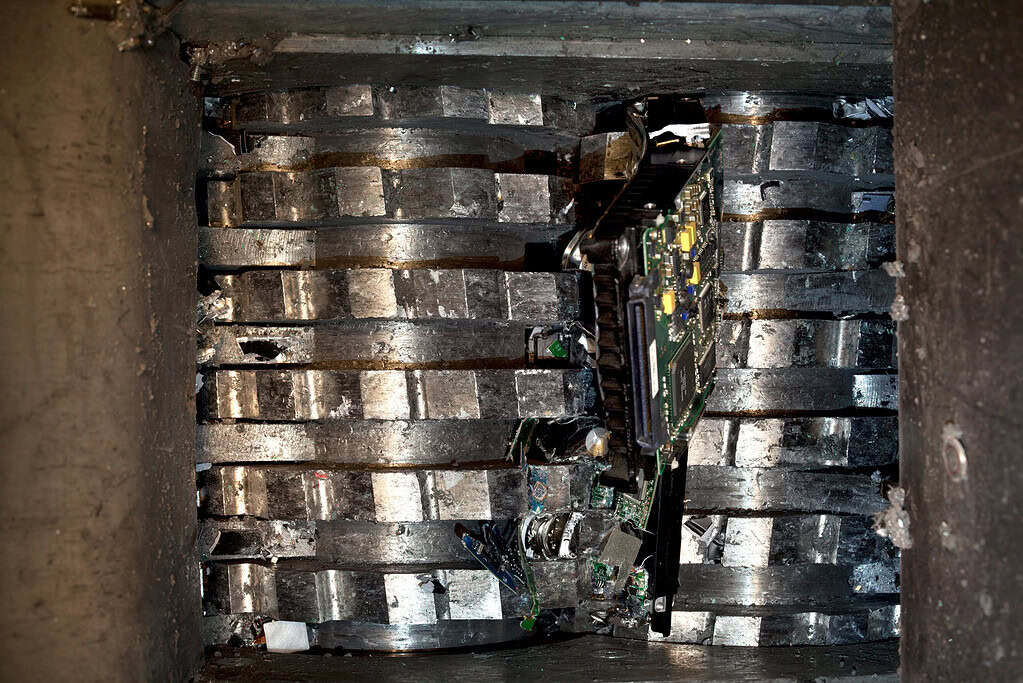
After hard drive shredding, the remaining materials are collected, secured and prepared for specialist recycling or material recovery. A shredded hard drive does not simply become general waste. It is broken into a mixture of metal, plastic, circuit-board material and other components that must be handled carefully. The first priority is data security. The second…
Read MoreHow Are Assets Tracked During On-Site Destruction?
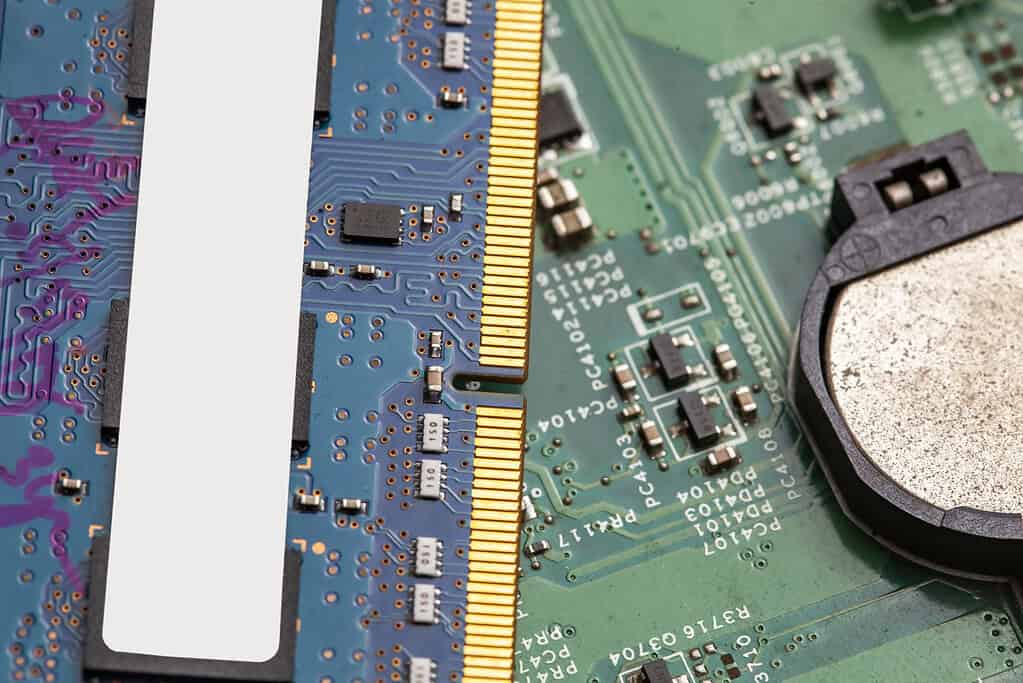
Assets are tracked during on-site destruction by recording each data-bearing device before it enters the destruction process, maintaining control over its movement, confirming that it has been processed and reconciling the final records against the original asset list. The level of tracking can vary. Some organisations require every hard drive, SSD or tape to be…
Read MoreCan a Certificate of Destruction Prove Data Has Been Permanently Destroyed?
A certificate of data destruction provides important evidence that a storage device or batch of media was processed using a stated destruction method. However, the certificate does not independently prove that data has been permanently destroyed unless it is supported by a controlled, traceable and technically appropriate process. Its strength depends on the records behind…
Read MoreWhat Does GDPR Compliant Data Disposal Mean for Businesses?

GDPR compliant data disposal means removing personal data securely when a business no longer has a valid reason to retain it. The disposal method should prevent unauthorised access before, during and after the process, while creating enough evidence to show that the organisation followed an appropriate procedure. It does not simply mean putting an old…
Read More