If you’re thinking “I need to destroy my hard drive,” the decision is more important than it might first appear. Hard drives often contain sensitive business data, personal information and confidential records that must be handled carefully at end of life.
Choosing the wrong method can leave data exposed, even if the device appears damaged. Understanding the difference between DIY approaches and professional services ensures your data is permanently destroyed and your organisation remains compliant.
Why You Might Need to Destroy Your Hard Drive
There are several situations where organisations need to destroy hard drive equipment.
Common examples include:
- IT upgrades or equipment replacement
- Decommissioning old servers or storage systems
- Disposal of faulty or damaged drives
- End-of-life asset management
In each case, simply discarding the device is not enough. The data it contains must be permanently removed.
Can You Destroy a Hard Drive Yourself?
Many people initially consider handling destruction internally. While this may seem straightforward, DIY methods are often unreliable.
Common DIY Methods
Typical attempts to destroy hard drive devices include:
- Drilling holes through the casing
- Smashing the drive with a hammer
- Using magnets to erase data
- Running software to wipe data
While these methods may damage the drive, they rarely guarantee complete data destruction.
The Risks of DIY Destruction
Choosing a DIY approach can create significant risks, particularly for businesses.
Incomplete Data Removal
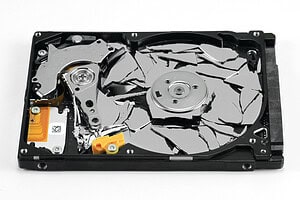
Even heavily damaged drives can still contain recoverable data. Specialist recovery tools can extract information from partially intact platters.
Lack of Verification
DIY methods do not provide proof that destruction has taken place. There is no audit trail or documentation.
Compliance Issues
Organisations must be able to demonstrate secure disposal. Without records, it is difficult to prove compliance with data protection regulations.
Guidance from the Information Commissioner’s Office emphasises the need for secure and accountable data disposal processes.
Professional Hard Drive Destruction Services
Professional services are designed to provide secure, compliant and verifiable destruction.
When you request a service to “destroy my hard drive,” the process typically includes:
- Secure collection or on-site handling
- Controlled destruction using industrial equipment
- Tracking of each asset
- Issuance of a certificate of destruction
This ensures that both the process and the outcome are documented and reliable.
Real-World Scenario: DIY Gone Wrong
A small business attempts to destroy hard drives internally using drills and hammers.
Months later:
- A discarded drive is recovered from waste
- Data is accessed by a third party
- The business faces a data breach investigation
Despite their efforts, the destruction was incomplete and unverified. This situation demonstrates how DIY methods can create unintended risks.
Comparing DIY vs Professional Services
Understanding the differences helps guide the decision.
DIY Approach
- Low upfront cost
- No specialised equipment required
- High risk of incomplete destruction
- No documentation or proof
Professional Services
- Controlled and consistent processes
- Use of certified destruction methods
- Full audit trail and documentation
- Compliance with GDPR requirements
For most organisations, the benefits of professional services outweigh the perceived cost savings of DIY methods.
How Quickly Can You Destroy a Hard Drive?
Speed is often a concern, especially when equipment needs to be disposed of quickly.
DIY Speed
- Immediate but unreliable
- Depends on available tools and expertise
Professional Speed
- Rapid collection and processing
- On-site destruction available for urgent needs
- Efficient handling of large volumes
Professional services can often deliver both speed and security without compromise.
What Happens to Your Data After Destruction?
When a hard drive is properly destroyed:
- Data is permanently removed
- Storage media is rendered unusable
- No recovery is possible
In professional processes, this outcome is verified and documented, providing reassurance that data has been handled correctly.
Cost Considerations
Cost is often a deciding factor when choosing how to destroy hard drive devices.
DIY Costs
- Minimal direct cost
- Potential hidden costs if data breaches occur
Professional Costs
- Transparent service pricing
- Scalable depending on volume
- Includes compliance and documentation
When considering potential risks, professional services often represent better value.
Good, Better, Best Approach
A structured approach can help organisations choose the right option.
Good
- Basic DIY destruction
- Suitable only for low-risk situations
Better
- Internal processes with some controls
- Limited verification
Best
- Professional destruction with certification
- Full compliance and audit trail
For organisations handling sensitive data, the “best” approach is typically required.
When Should You Use a Professional Service?
You should choose a professional service to destroy my hard drive when:
- Data is sensitive or regulated
- You need proof of destruction
- Equipment is leaving your control
- Compliance requirements must be met
This applies to most business environments.
Frequently Asked Questions
Q1: What is the safest way to destroy my hard drive?
A1: The safest method is professional destruction using industrial shredding or degaussing, supported by certification.
Q2: Can I destroy my hard drive at home?
A2: You can attempt to, but it is unlikely to be fully secure or compliant, especially for sensitive data.
Q3: How much does it cost to destroy my hard drive professionally?
A3: Costs vary depending on volume and service type, but typically include secure handling, destruction and documentation.
Q4: Is DIY destruction ever acceptable?
A4: Only for low-risk data. For business or regulated environments, professional services are recommended.
Q5: How do I prove my hard drive has been destroyed?
A5: A professional provider will issue a certificate of destruction and maintain an audit trail.
Summary
When you need to destroy my hard drive, the method you choose directly impacts your data security and compliance position. DIY approaches may seem convenient, but they often fall short in terms of effectiveness and verification.
Professional services provide a structured, secure and compliant solution, ensuring that data is permanently destroyed and fully documented.
If you need to destroy hard drive equipment quickly and securely, working with a specialist provider ensures that the process is handled correctly from start to finish.
Contact Varese Secure Ltd
Phone: 01489 854 131
Email: sales@varese-secure.co.uk
Find out more: https://varese-secure.co.uk/
-
Industrial Hard Drive Destruction Device vs On-Site Services
A hard drive destruction device is often considered by organisations looking to manage data destruction internally. While these devices can offer control and convenience, they are not always the most effective or compliant solution. Understanding…
-
Why Every Business Should Professionally Destroy Hard Drives
With data breaches on the rise and regulations tightening, securely disposing of outdated IT equipment is no longer optional. If your business stores sensitive data, you need a reliable way to destroy hard drives once…
-
What to Look for in a Secure Hard Drive Disposal Service in the UK
When it comes to protecting sensitive information, deleting files or formatting drives is no longer enough. Businesses in the UK are legally obligated to ensure that any personal or confidential data is irreversibly destroyed. Choosing…