In today’s digital world, secure disposal of data-bearing devices is critical. Simply deleting files or formatting a drive doesn’t permanently erase sensitive data. If your organisation is serious about data protection, investing in the right hard disk drive shredder is essential.
Whether you’re a small office or a large corporation, choosing the appropriate solution depends on your data security requirements, compliance obligations, and operational capacity.
Why Use a Hard Disk Drive Shredder?
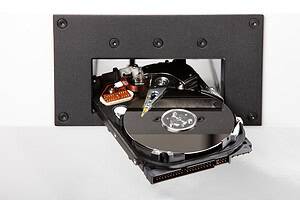
Data stored on old or unused hard drives is still recoverable without proper destruction. A hard disk drive shredder physically destroys the drive, making it impossible to retrieve data — a key requirement under both GDPR and the Data Protection Act 2018.
Read more: Data Protection Act 2018 – legislation.gov.uk
Key Factors to Consider When Choosing a Shredder
1. Destruction Standard
Check if the shredder meets recognised UK and international data destruction standards such as:
- DIN 66399 (H-5 or H-6 security levels)
- ISO 21964 (formerly DIN 66399)
- BS EN 15713:2009
These certifications ensure your shredding process is legally defensible.
2. Volume Capacity
Consider how many drives you need to destroy regularly. High-volume businesses may require industrial-grade shredders, while SMEs may benefit from lower throughput models or using a professional IT asset disposal service.
3. Shred Size
Shred size affects both security and disposal cost. Smaller particles offer higher security, but also increase the processing time and storage volume. Assess your balance of efficiency versus risk.
4. On-Site vs Off-Site Shredding
- On-site shredding gives you visibility and control.
- Off-site services, like those offered by Varese Secure, provide convenience and are often more cost-effective for large batches.
5. Integration with Other Disposal Services
Many businesses also need to destroy tapes, CDs, or mobile devices. Choose a provider or shredder that supports media destruction services for diverse assets.
Professional Shredding Services: A Smarter Choice?
Instead of investing in costly equipment and training, many organisations prefer professional shredding providers. Services like Varese Secure offer:
- Certified shredding and degaussing
- Secure chain of custody and tracking
- Issued certificate of destruction
- Responsible electronic waste disposal
This approach is particularly beneficial for regulated sectors such as healthcare, finance, or legal services.
Selecting the right hard disk drive shredder isn’t a one-size-fits-all decision. It’s about aligning security, compliance, and operational needs to protect your business. By understanding shredder capabilities and pairing them with trusted professional services, you ensure full compliance with the Data Protection Act 2018 and avoid the serious consequences of improper data disposal.
Take the next step toward secure, compliant data destruction. Explore hard drive shredding and degaussing solutions from Varese Secure.
Hard Disk Drive Shredder FAQs
Q1: How do I know what shred size I need?
A1: Shred size depends on your industry’s security requirements and data sensitivity. Sectors like government or finance often require sizes below 6mm to prevent data recovery. For general commercial use, larger shred sizes may be acceptable. Consult your data policy or shredding provider for guidance based on your risk level.
Q2: Can I shred SSDs with a hard disk drive shredder?
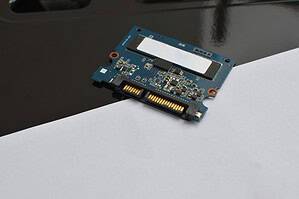
A2: Not always. SSDs contain flash memory chips, which are harder to destroy than HDDs’ magnetic platters. Many standard shredders can’t fully destroy these chips. A specialised SSD shredder or an alternative method such as disintegration is often necessary. Confirm capabilities with your shredding provider before proceeding.
Q3: Is it better to use a shredding service than buy a machine?
A3: Often, yes. For SMEs or those with moderate data disposal needs, certified shredding services are more secure and cost-effective. They eliminate equipment costs, maintenance, and training. Professional services also ensure compliance with data protection regulations through documented processes and secure handling.
-
How Can Businesses Balance Data Security and Responsible Recycling?
Supporting Questions: Businesses can balance data security and responsible recycling by making sure data-bearing assets are securely destroyed or sanitised before equipment enters the recycling process. The priority should always be to protect confidential and…
-
Why Do SSDs Need a Different Destruction Method from Hard Drives?
SSDs need a different destruction method from hard drives because they store data in a completely different way. Traditional hard disk drives use magnetic platters, while solid-state drives use flash memory chips. This means a…
-
How Can Organisations Prove They Followed Secure Destruction Standards?
Organisations can prove they followed secure destruction standards by keeping clear, accurate and traceable evidence of how data-bearing assets were handled, destroyed and disposed of. This evidence should show what was collected, who handled it,…