A hard drive destruction device is often considered by organisations looking to manage data destruction internally. While these devices can offer control and convenience, they are not always the most effective or compliant solution.
Understanding how a hard drive destruction device compares to professional on-site services helps organisations choose the right approach for secure and compliant data disposal.
What Is a Hard Drive Destruction Device?
A hard drive destruction device is a piece of equipment designed to physically or magnetically destroy data stored on hard drives.
There are several types of devices used across different industries, including:
- Industrial shredders
- Crushers or punch devices
- Degaussers for magnetic erasure
Each type performs a different function and offers varying levels of security.
Types of Hard Drive Destruction Devices
Not all devices deliver the same results. Choosing the wrong type can leave data exposed.
Industrial Shredders
These machines physically break hard drives into small fragments.
Key features:
- High-security destruction
- Suitable for large volumes
- Irreversible process
Shredders are typically used in dedicated facilities due to their size and operational requirements.
Crushers and Punch Devices
These devices apply force to deform or pierce the hard drive.
Key features:
- Lower cost compared to shredders
- Suitable for small-scale use
- Limited effectiveness if not applied correctly
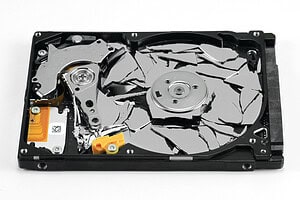
While useful in some scenarios, they may not fully destroy internal platters, leaving potential for data recovery.
Degaussers
Degaussers use strong magnetic fields to erase data stored on magnetic drives.
Key features:
- Rapid data erasure
- Effective for bulk processing
- Renders drives unusable
Degaussing is often combined with physical destruction for maximum security.
Real-World Scenario: Internal Device Limitations
An organisation invests in a basic hard drive destruction device to handle disposal internally.
Over time:
- Staff use inconsistent methods
- Devices are not fully destroyed
- No records are kept of processed drives
Later, during an audit, the organisation cannot demonstrate secure disposal. Despite having a device, the lack of process and verification creates a compliance gap.
This highlights that owning a hard drive destruction device does not guarantee secure or compliant outcomes.
On-Site Destruction Services Explained
On-site destruction services bring specialist equipment and expertise directly to your location.
The process typically includes:
- Secure collection of drives within your premises
- Immediate destruction using industrial-grade equipment
- Full visibility of the process
- Issuance of documentation and certificates
This approach combines security with accountability.
Hard Drive Destruction Device vs On-Site Services
Comparing both options helps clarify which is most suitable.
Control
- Device: Full internal control
- On-site service: Controlled externally but conducted under supervision
Compliance
- Device: Depends on internal processes
- On-site service: Designed to meet compliance standards
Verification
- Device: Often limited or inconsistent
- On-site service: Includes audit trail and certification
Cost
- Device: Upfront investment plus maintenance
- On-site service: Pay-per-use, scalable
Security
- Device: Varies depending on equipment and use
- On-site service: High security with professional handling
When Should You Use a Hard Drive Destruction Device?
There are situations where a hard drive destruction device may be appropriate.
Suitable Scenarios
- Small volumes of non-sensitive data
- Organisations with strict internal controls
- Environments where immediate destruction is required
However, even in these cases, processes must be carefully managed to ensure consistency and compliance.
When Are On-Site Services the Better Option?
For many organisations, on-site services provide a more reliable solution.
Recommended For
- High volumes of hard drives
- Sensitive or regulated data
- Organisations requiring audit trails
- Businesses subject to GDPR compliance
Professional services reduce the risk of human error and ensure consistent results.
Compliance Considerations
Using a hard drive destruction device internally places responsibility entirely on the organisation.
According to the Information Commissioner’s Office, organisations must be able to demonstrate that personal data has been disposed of securely.
This means:
- Processes must be documented
- Destruction must be verifiable
- Records must be retained
Without these elements, internal destruction methods may fall short of compliance expectations.
Good, Better, Best Approach
A structured comparison helps guide decision-making.
Good
- Basic crushing or internal device use
- Limited verification
Better
- Degaussing with controlled internal processes
- Some level of documentation
Best
- Professional on-site destruction with certification
- Full audit trail and compliance assurance
For most compliance-driven organisations, the “best” option provides the highest level of protection.
Risks of Relying Solely on Devices
While a hard drive destruction device may seem sufficient, relying on it alone introduces risks:
- Inconsistent usage by staff
- Incomplete destruction
- Lack of documentation
- Difficulty proving compliance
These risks can undermine the entire data disposal process.
Frequently Asked Questions
Q1: What is a hard drive destruction device?
A1: It is equipment used to physically or magnetically destroy data stored on hard drives.
Q2: Are destruction devices enough for GDPR compliance?
A2: Not on their own. Organisations must also provide documentation and proof of secure processes.
Q3: Which device is most effective?
A3: Industrial shredders are the most effective, especially when combined with degaussing.
Q4: Should businesses invest in their own device?
A4: It depends on volume, risk and compliance requirements. Many organisations benefit more from professional services.
Q5: What is the alternative to owning a device?
A5: On-site destruction services provide secure, compliant and fully documented processes without the need for equipment investment.
Summary
A hard drive destruction device can play a role in data disposal, but it is not a complete solution on its own. Without proper processes, documentation and verification, internal destruction methods may fail to meet compliance requirements.
On-site destruction services offer a more controlled and reliable approach, particularly for organisations handling sensitive data or operating under strict regulatory frameworks.
If you need secure, compliant hard drive destruction without the complexity of managing equipment internally, working with a specialist provider ensures consistent, verifiable results.
Contact Varese Secure Ltd
Phone: 01489 854 131
Email: sales@varese-secure.co.uk
Find out more: https://varese-secure.co.uk/
-
Destroy My Hard Drive: DIY vs Professional Services
If you’re thinking “I need to destroy my hard drive,” the decision is more important than it might first appear. Hard drives often contain sensitive business data, personal information and confidential records that must be…
-
Why Every Business Should Professionally Destroy Hard Drives
With data breaches on the rise and regulations tightening, securely disposing of outdated IT equipment is no longer optional. If your business stores sensitive data, you need a reliable way to destroy hard drives once…
-
What to Look for in a Secure Hard Drive Disposal Service in the UK
When it comes to protecting sensitive information, deleting files or formatting drives is no longer enough. Businesses in the UK are legally obligated to ensure that any personal or confidential data is irreversibly destroyed. Choosing…