
Uncategorised
Data Destruction Reconciliation for Mismatched Records
If a destruction report and asset register disagree, hold sign-off on the affected items and start data destruction reconciliation. Save the original records, identify exactly which assets are in dispute and assign someone to trace each one to its last confirmed location or processing event. If the asset itself may be missing, alert the team…
Read MoreData Centre Hardware Decommissioning During a Refresh

Plan data centre hardware decommissioning before you schedule the first rack removal. Identify the storage media you expect to retire, decide which assets can be released at each stage and agree what evidence you’ll need before signing off. Tie release to migration and rollback decisions so drives awaiting destruction never get mixed with hardware you…
Read MoreWhat Types of Storage Media Can Be Securely Degaussed?
Degaussing is suitable for compatible magnetic storage media, including many conventional hard disk drives and magnetic backup tapes. It is not suitable for solid-state drives, USB flash drives, memory cards or other storage technologies that retain information electronically rather than magnetically. That distinction is the most important starting point. A degausser works by exposing storage…
Read MoreIs Deleting Files or Formatting a Drive Enough Before Disposal?

No. Simply deleting files or performing a standard reformat should not normally be treated as secure data destruction. Those actions may remove files from ordinary view or recreate the drive’s file system, but they do not necessarily ensure that the underlying information can no longer be recovered. The National Cyber Security Centre states clearly that…
Read MoreCan Damaged SSDs Still Contain Recoverable Information?
Yes. A damaged SSD can still contain recoverable information even when the device no longer works normally. The key distinction is between device failure and data sanitisation. An SSD may stop appearing in a computer, fail to boot, suffer damage to its controller or become physically damaged while some of the underlying flash memory still…
Read MoreWhat Should Compliance Teams Check Before Approving a Data Destruction Process?

Approving a data destruction process should involve more than checking whether a supplier promises to “securely destroy” old IT equipment. Compliance teams need to understand what is being destroyed, which destruction method will be used, how assets remain protected before processing, who is responsible at each stage and what evidence will demonstrate that the process…
Read MoreWhat Is Chain of Custody in Secure Data Destruction?

Chain of custody in secure data destruction is the documented record of who controlled data-bearing assets, where those assets were held and when responsibility passed from one person, team or organisation to another. Its purpose is to prevent gaps in accountability. A hard drive may eventually be shredded, degaussed or otherwise securely sanitised, but the…
Read MoreHow Strong Does a Degausser Need to Be to Destroy Hard Drive Data?
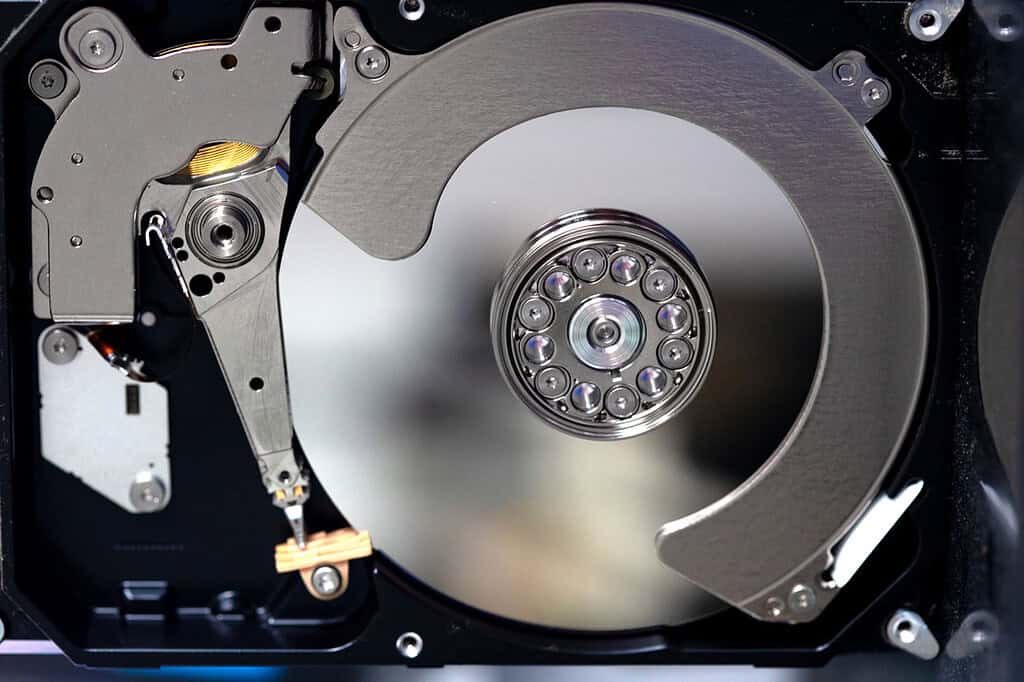
There is no single magnetic-field strength that automatically makes a degausser suitable for every hard drive. The important relationship is between the magnetic field produced by the degausser and the coercivity of the magnetic media being processed. The degausser must be sufficiently powerful for the particular media and recording technology involved. This matters because modern…
Read MoreWhy Asset Serial Numbers Matter in Data Destruction
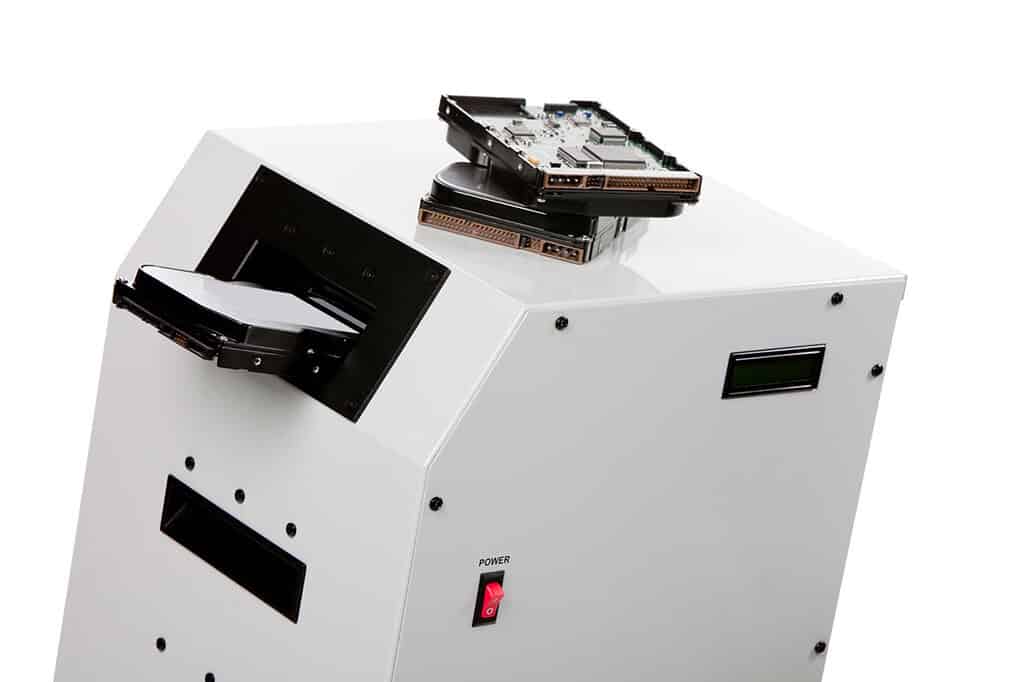
When an organisation sends 100 hard drives for secure destruction, knowing that 100 drives were destroyed is useful. Knowing which 100 drives were destroyed provides a much stronger level of traceability. That is where asset serial numbers become important. Recording an individual manufacturer’s serial number or another unique asset identifier allows a destruction record to…
Read MoreCan Hard Drives Be Destroyed at Your Premises?
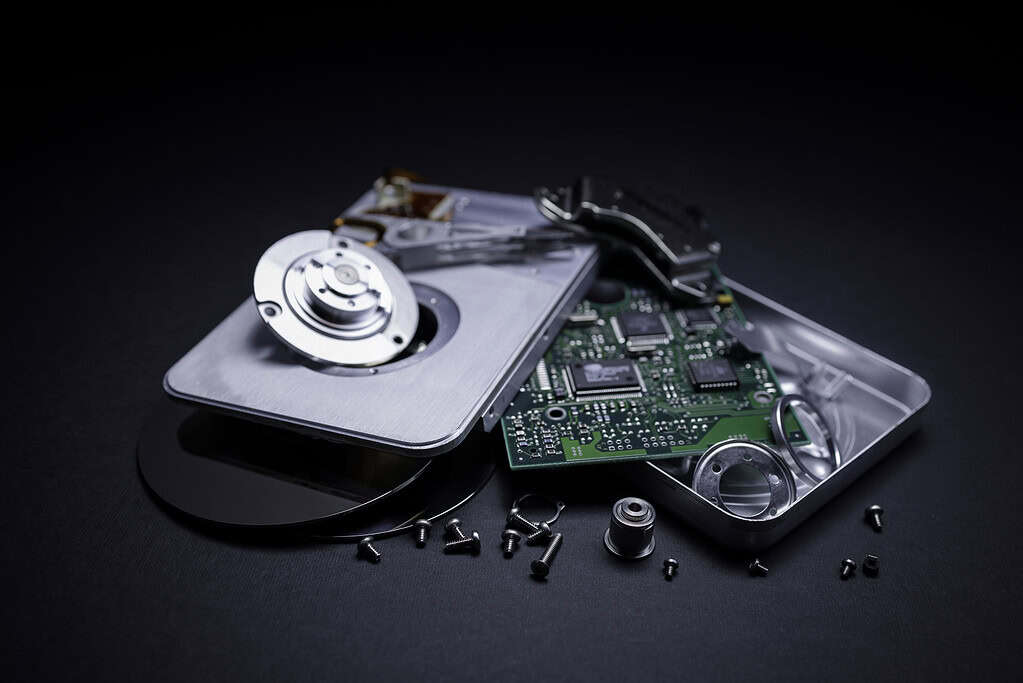
Yes, hard drive destruction can be carried out at your organisation’s premises using specialist mobile equipment and a controlled on-site process. On-site hard drive destruction allows data-bearing assets to remain within the organisation’s location until they have been physically destroyed. This can be particularly valuable for businesses that handle sensitive, confidential or regulated information and…
Read More