In the digital age, UK businesses handle vast volumes of personal and confidential data. When it’s time to dispose of this data, the stakes couldn’t be higher. Poor handling of sensitive data destruction not only puts your reputation at risk but can also lead to hefty penalties under the UK GDPR.
In this guide, we’ll explain the best practices for managing sensitive data destruction, why it matters, and how to stay fully compliant with legal requirements in 2025.
What Is Sensitive Data Destruction?
Sensitive data destruction is the process of permanently erasing or destroying data that contains personal, financial, health, legal, or classified information—making it irrecoverable by any means.
This includes data stored on:
- Hard drives (HDDs and SSDs)
- Backup tapes
- USB drives
- Mobile phones
- Paper records (when relevant)
Failing to handle this data securely can result in a data breach, financial loss, and legal action.
GDPR Requirements for Sensitive Data Destruction
Under the UK General Data Protection Regulation (GDPR), organisations must protect personal data throughout its entire lifecycle—including disposal. Article 5(f) of the GDPR states that data must be processed in a way that ensures appropriate security, including protection against unauthorised access, destruction, or loss.
To remain compliant, businesses must:
- Ensure data is irreversibly destroyed
- Maintain records of destruction
- Use certified methods and providers
- Document consent and legal justification for processing and erasure
Sensitive data destruction isn’t just about deleting a file—it requires verified and auditable processes.
Approved Methods for Sensitive Data Destruction
When it comes to GDPR-compliant sensitive data destruction, not all methods are equal. Here are the most secure options:
1. Degaussing
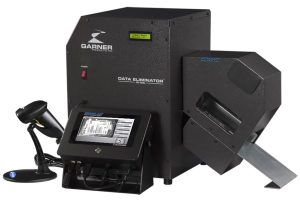
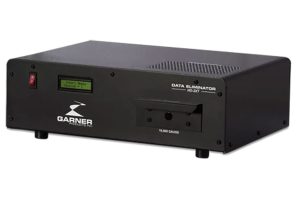
A high-powered magnetic field erases all data on magnetic drives. It’s fast, effective, and ideal for bulk destruction of HDDs and tapes. Varese Secure’s degaussing service is certified for GDPR compliance.
2. Physical Destruction (Crushing or Shredding)
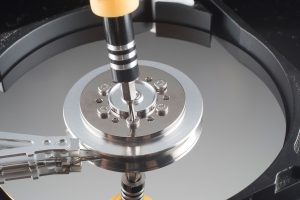
Drives and storage devices are physically broken down to render the data irretrievable. Works on both HDDs and SSDs. Offers visual confirmation of destruction.
3. Certified Software Wiping (for Reuse)
Involves overwriting data multiple times using certified software. Suitable if the media will be reused, but must be validated and documented.
Common Mistakes in Sensitive Data Destruction
Many businesses unknowingly fall short of compliance. Here are pitfalls to avoid:
- Assuming deletion equals destruction: Deleted files can often be recovered. Use professional tools.
- No documentation: GDPR requires proof of secure disposal—keep serial numbers and Certificates of Destruction.
- Using uncertified providers: Always verify credentials and compliance of destruction services.
- Ignoring non-digital data: Paper records, labels, and printed emails also require secure disposal.
Why Professional Services Matter
Using a professional service ensures your sensitive data destruction is handled:
- With certified equipment
- In line with GDPR and ISO 27001 standards
- With complete audit trails and destruction certificates
- On-site or off-site, based on your security needs
At Varese Secure, we tailor destruction services to your data type, risk level, and compliance requirements.
Need help with secure, compliant sensitive data destruction?
📞 Call us at +44 (0)1489 854 131
📧 Email: sales@varese-secure.co.uk
Or visit our Degaussing Services page for certified, GDPR-compliant solutions.
Frequently Asked Questions (FAQs)
Q1: Is deleting a file the same as destroying it?
A1: No. Deleted data can often be recovered. Destruction requires complete removal using verified methods.
Q2: Do I need a Certificate of Destruction for GDPR?
A2: Yes. This document proves the data was destroyed securely and is required during audits or investigations.
Q3: How often should we destroy sensitive data?
A3: Regularly. As part of your data retention policy, destruction should occur as soon as the data is no longer required for legal or operational purposes.
-
PD5E Hard Drive vs Shredders: Which Offers Better Security and Speed?
As data protection regulations tighten, UK businesses are under more pressure than ever to securely dispose of end-of-life data storage. While shredders have traditionally dominated the market for physical media destruction, newer solutions like the…
-
How the HD-2XTE Compact Degausser Guarantees Secure Data Erasure for UK Businesses
In today’s data-sensitive landscape, businesses across the UK must ensure that all confidential and sensitive data is disposed of securely and permanently. For organisations relying on magnetic media, the HD-2XTE Compact Degausser stands out as…
-
Degaussing Explained: The Secure Way to Destroy Data Permanently
In a world increasingly governed by data, secure disposal of sensitive information is more critical than ever. Degaussing offers one of the most reliable and irreversible methods of data destruction available today. Whether you’re dealing…