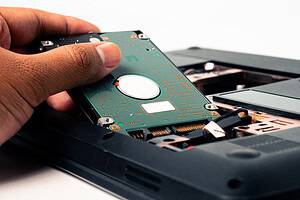
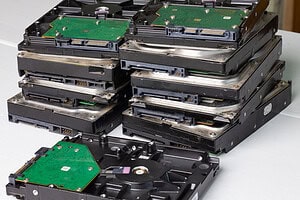
With data breaches on the rise and regulations tightening, securely disposing of outdated IT equipment is no longer optional. If your business stores sensitive data, you need a reliable way to destroy hard drives once they reach end-of-life. Anything less risks reputational damage, legal penalties, and financial loss.
DIY Isn’t Enough: The Case for Professional Destruction
Manually wiping or physically damaging drives might seem effective, but these methods leave data vulnerable to recovery. Formatting doesn’t erase data — it only removes the directory, and even a smashed hard drive can be reconstructed with the right tools.
Only professional services can guarantee secure data destruction through industrial-grade shredding or degaussing, which leaves no chance of data recovery.
Why DIY Methods Fall Short:
- Drives may retain recoverable data.
- No audit trail or legal documentation.
- Poor compliance with data protection laws.
Legal Compliance: A Business Imperative
The Data Protection Act 2018 requires organisations to securely dispose of any personal data no longer required. Failing to do so can lead to fines from the Information Commissioner’s Office (ICO), even if the breach is accidental.
Learn more: Data Protection Act 2018 – legislation.gov.uk
Choosing to professionally destroy hard drive assets helps you:
- Meet GDPR-compliant standards.
- Obtain a certificate of destruction for records.
- Avoid data breaches and legal risks.
Professional Destruction: What You Get
Partnering with a certified provider like Varese Secure offers peace of mind and compliance in one complete service.
Core Benefits:
- Hard drive shredding that renders disks irretrievable.
- Degaussers to erase magnetic data instantly.
- Eco-friendly methods aligned with WEEE and UK waste regulations.
- Full documentation to support your IT asset disposal records.
When Should You Destroy Hard Drives?
It’s not just about when a device breaks — it’s about maintaining proper data hygiene. Drives should be destroyed:
- After IT upgrades or equipment refreshes
- When data is no longer needed or becomes obsolete
- During relocations, restructures, or device handovers
- At the end of employee lifecycles, especially in sensitive roles
Every business, regardless of size or sector, holds data that must be protected — even in its final moments. Choosing to destroy hard drive data professionally isn’t just a best practice; it’s a legal requirement. Partnering with a secure provider like Varese Secure ensures your obligations under the Data Protection Act 2018 are met while reducing your exposure to cyber risks.
Take control of your data lifecycle today. Explore secure hard drive destruction solutions from Varese Secure.
Destroy Hard Drive FAQs
Q1: Is it legally necessary to destroy hard drives if they’re too old?
A1: Yes. UK legislation, including the Data Protection Act 2018 and the General Data Protection Regulation (GDPR), requires organisations to securely dispose of data-bearing devices. Simply deleting files or storing old drives is not enough. Businesses must take active steps to prevent unauthorised access to personal or sensitive information. Failure to do so can result in significant fines, reputational damage, and legal consequences, especially if the data is later compromised.
Q2: What is the most secure way to destroy hard drives?
A2: Industrial-grade shredding and degaussing are widely recognised as the most secure destruction methods. Shredding physically breaks the hard drive into small fragments, making data recovery impossible. Degaussing uses strong magnetic fields to disrupt the magnetic structure of the storage media, rendering it unreadable. For maximum security, many organisations opt for both methods in combination, especially for highly sensitive data.
Q3: Will I receive proof of destruction from a professional service?
A3: Absolutely. Reputable shredding providers always issue a certificate of destruction as part of their service. This certificate details the date, method, quantity, and sometimes serial numbers of the destroyed devices. It serves as formal proof of compliance and can be crucial during audits or when demonstrating adherence to GDPR and internal data protection protocols.
-
Destroy My Hard Drive: DIY vs Professional Services
If you’re thinking “I need to destroy my hard drive,” the decision is more important than it might first appear. Hard drives often contain sensitive business data, personal information and confidential records that must be…
-
Industrial Hard Drive Destruction Device vs On-Site Services
A hard drive destruction device is often considered by organisations looking to manage data destruction internally. While these devices can offer control and convenience, they are not always the most effective or compliant solution. Understanding…
-
What to Look for in a Secure Hard Drive Disposal Service in the UK
When it comes to protecting sensitive information, deleting files or formatting drives is no longer enough. Businesses in the UK are legally obligated to ensure that any personal or confidential data is irreversibly destroyed. Choosing…