Organisations can prove they followed secure destruction standards by keeping clear, accurate and traceable evidence of how data-bearing assets were handled, destroyed and disposed of. This evidence should show what was collected, who handled it, where it went, which destruction method was used and when the process was completed.
For businesses, proof matters because secure data destruction is not just about the physical act of destroying a hard drive, SSD, tape or other storage device. It is about demonstrating that the organisation followed a controlled process that reduced data security risk and supported compliance obligations.
A certificate of data destruction is an important part of this evidence, but it should not stand alone. The strongest proof comes from a complete audit trail, including asset records, chain of custody documentation, destruction method details and responsible disposal records.
Why proof matters in secure data destruction
Many organisations understand the need to destroy data securely, but proof is often overlooked until it is needed. A business may only realise the importance of documentation during an audit, client review, insurance query, supplier assessment or data protection investigation.
Without clear records, it can be difficult to show that the organisation acted responsibly. Even if the data was destroyed, a lack of evidence can leave questions unanswered.
Proof matters because it helps demonstrate:
- Which assets were included in the destruction process
- Whether the correct destruction method was used
- Who had responsibility for the assets at each stage
- When and where destruction took place
- Whether personal or sensitive data was protected during disposal
- Whether remaining materials were handled responsibly
For organisations handling confidential information, this evidence supports accountability. It also reduces the risk of relying on informal arrangements, verbal assurances or incomplete disposal records.
What are secure destruction standards?
Secure destruction standards are recognised procedures, controls and expectations that help organisations destroy confidential or sensitive material safely. They may cover collection, handling, storage, transport, destruction, documentation and recycling.
For data-bearing media, standards and best practice are important because the risk does not begin and end at the moment of destruction. A hard drive can be lost before processing. A USB stick can be overlooked. An SSD can be treated with the wrong method. A certificate can be issued without enough detail. Secure destruction standards help reduce these risks by making the process structured and traceable.
For example, BS EN 15713 is a recognised standard for the secure destruction of confidential and sensitive material. It provides a code of practice covering areas such as secure collection, transport, storage, destruction and certification.
Organisations do not need to become technical destruction experts themselves, but they do need to understand whether their process is appropriate, documented and auditable.
What evidence should organisations keep?
The exact evidence required will depend on the organisation, type of media, sensitivity of data and internal policies. However, most businesses should aim to retain a clear record from asset identification through to final destruction.
Useful evidence may include:
- Asset inventories
- Serial number records
- Collection notes
- Chain of custody records
- Secure transport documentation
- Media type identification
- Destruction method details
- Date and location of destruction
- Certificate of data destruction
- Recycling or waste transfer documentation where relevant
These records help create a joined-up picture. A certificate may prove that destruction occurred, but an inventory helps prove what was destroyed. Chain of custody records help show how assets were controlled before destruction. Destruction method details help show whether the process was suitable for the media involved.
Why is a certificate of data destruction important?
A certificate of data destruction provides formal evidence that data-bearing assets have been destroyed using a defined method. It is one of the most important documents an organisation can retain after secure destruction.
A strong certificate should usually include:
- The date of destruction
- The destruction method used
- The type of media destroyed
- The quantity or asset details
- The organisation or location involved
- Details of the destruction provider
- Confirmation that destruction has been completed
For higher-risk environments, certificates may need to be supported by serial number logs or itemised asset records. This is especially useful where drives are linked to servers, devices, departments or systems containing sensitive information.
A certificate should be accurate and specific. A vague document stating that “IT equipment was disposed of” may not be enough to prove secure data destruction. The certificate should identify the media and method clearly enough to support audit requirements.
Why a certificate alone may not be enough
A certificate of data destruction is valuable, but it does not automatically prove that the entire process was secure. It needs to sit within a wider chain of evidence.
For example, a business may receive a certificate confirming that 100 drives were destroyed. But if the business cannot show how those drives were collected, where they were stored, who handled them or whether they were the correct 100 drives, the evidence may still be incomplete.
Similarly, the certificate must reflect the right destruction method. If SSDs were processed, the certificate should not simply refer to degaussing. Degaussing is suitable for magnetic media, not flash-based storage. The documentation should show that the method matched the media type.
Proof is strongest when the certificate connects clearly to the organisation’s own asset records and collection records.
What is chain of custody in data destruction?
Chain of custody is the documented record of who had possession or control of data-bearing assets at each stage of the process. It helps show that assets were secure from the point of collection through to destruction.
In secure data destruction, chain of custody may include:
- Who collected the assets
- When they were collected
- Where they were collected from
- How they were transported
- Where they were stored before destruction
- Who processed the destruction
- When destruction was completed
- What evidence was issued afterwards
This matters because storage media can create risk before it is destroyed. A hard drive waiting in an unlocked cupboard, a box of old USB sticks left in reception or a mixed pallet of IT equipment sent through a general recycling route can all create data exposure risks.
A clear chain of custody reduces uncertainty and helps organisations prove that assets remained controlled throughout the process.
How do secure destruction standards support GDPR data disposal?
Secure destruction standards support GDPR data disposal by helping organisations show that personal data was protected during the disposal process. UK GDPR requires organisations to use appropriate security measures for personal data. That includes preventing unauthorised access when data-bearing assets reach end of life.
Disposal is sometimes treated as an operational task, but it is also part of information security. If a computer, server drive, SSD, USB stick or backup tape contains personal data, the organisation remains responsible for protecting it until the data has been securely destroyed or sanitised.
Following a documented destruction process helps show that the organisation took reasonable steps to manage risk. It also helps avoid informal practices such as unrecorded disposal, mixed electronic waste collections or relying on staff to delete files manually.
How can organisations show the correct method was used?
To prove secure destruction standards were followed, the organisation should be able to show that the destruction method matched the storage media.
This is especially important because modern IT environments contain several types of storage. Magnetic hard drives, SSDs, USB drives, memory cards and backup tapes may all need different handling.
For example:
- Magnetic hard drives may be degaussed, shredded or crushed
- Backup tapes may be degaussed or physically destroyed
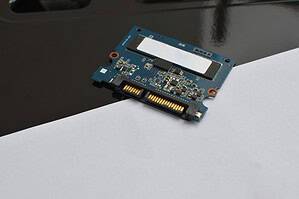
- SSDs may require crushing, shredding or chip-level destruction
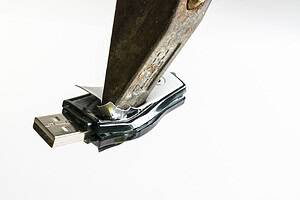
- USB drives and memory cards require methods suitable for flash memory
- Mobile devices may need specialist handling because storage may be embedded
If the organisation has records showing the media type and method used, it is much easier to prove that the process was appropriate.
Real-world scenario: client audit request
A professional services firm is asked by a corporate client to prove that old computers containing client files were disposed of securely. The firm knows the computers were collected by a disposal provider, but it only has an invoice. There is no asset list, no certificate of destruction and no record of which drives were processed.
This creates a problem. The firm may have acted in good faith, but it cannot clearly demonstrate what happened to the data-bearing media.
A stronger process would include an inventory of devices, confirmation that storage media was removed or destroyed, a chain of custody record and a certificate of data destruction. This would allow the firm to respond confidently to the client and show that secure destruction standards were followed.
Real-world scenario: mixed media from a data centre
A data centre retires storage equipment from several racks. The project includes magnetic hard drives, SSDs, backup tapes and removable flash media. If all items are recorded simply as “drives”, the organisation may not be able to prove that each media type received the correct destruction method.
A better approach is to classify the media before processing. Magnetic drives may be degaussed and shredded, SSDs physically destroyed using a suitable process, and tapes handled separately. The final documentation should reflect these differences.
This creates a stronger audit trail and reduces the risk of technical errors being hidden by vague paperwork.
What should businesses check before choosing a destruction provider?
Businesses should assess whether a destruction provider can support both secure processing and strong evidence. The provider should not only destroy the media, but also help the organisation prove that destruction happened properly.
Key questions include:
- Can they handle the specific media types involved?
- Do they offer on-site and off-site destruction options?
- Can they provide chain of custody documentation?
- Will they issue a certificate of data destruction?
- Can they record serial numbers if required?
- How are assets transported and stored before destruction?
- What destruction methods are used for HDDs, SSDs and flash media?
- How are remaining materials recycled or disposed of?
- Can their process support internal audit or client assurance requirements?
These questions help avoid generic disposal arrangements that may not provide enough security or documentation.
What internal records should businesses maintain?
The destruction provider’s documents are only part of the picture. Businesses should also maintain their own internal records so there is a clear link between assets leaving service and assets being destroyed.
Internal records may include:
- Asset register updates
- Device retirement approvals
- Department or location details
- Media classification notes
- Staff authorisation for destruction
- Copies of certificates
- Disposal policy references
- Retention schedule records where relevant
This is particularly important for larger organisations or businesses with multiple sites. Without internal records, it can be difficult to confirm that all redundant assets were included in the destruction process.
How long should destruction records be kept?
The retention period for destruction records depends on the organisation’s policies, contractual obligations, sector requirements and risk level. Some businesses may need to retain certificates and audit records for several years, especially where client contracts, regulated data or internal compliance frameworks apply.
The key is consistency. Destruction records should not be kept randomly or lost in individual inboxes. They should be stored in a location where compliance, IT, facilities or management teams can access them if needed.
A simple but effective approach is to store certificates alongside asset disposal records and update the asset register to show that the media has been destroyed.
How can on-site destruction strengthen proof?
On-site destruction can strengthen proof because data-bearing media is destroyed at the organisation’s premises before it leaves site. This can reduce the risk associated with transport and external storage.
On-site destruction may be particularly valuable for:
- Legal firms
- Financial organisations
- Healthcare providers
- Government and public sector bodies
- Data centres
- IT departments with high volumes of storage media
- Businesses handling commercially sensitive information
When combined with witnessed destruction, asset records and certificates, on-site destruction can provide a strong evidence trail.
Off-site destruction can still be secure, provided collection, transport and processing are properly controlled and documented.
What are common gaps in secure destruction evidence?
Common gaps usually involve missing, vague or disconnected records. These gaps can weaken an organisation’s ability to prove secure destruction standards were followed.
Typical issues include:
- No certificate of data destruction
- Certificates that do not specify media type
- No chain of custody record
- No asset inventory
- Serial numbers not recorded when required
- SSDs and hard drives not separated
- General recycling records used as proof of data destruction
- No evidence of management approval
- Informal storage of redundant drives before destruction
These issues are avoidable. They usually result from treating data destruction as a waste disposal task rather than an information security process.
Frequently Asked Questions
Is a certificate of data destruction enough for compliance?
A certificate is important, but it is strongest when supported by asset records, chain of custody documentation and details of the destruction method. Together, these records provide better evidence than a certificate alone.
What should a certificate of data destruction include?
It should include the destruction date, method, media type, quantity or asset details, and confirmation that destruction was completed. For sensitive assets, serial number records may also be useful.
What is the difference between data destruction and IT recycling?
Data destruction focuses on making data unreadable and unrecoverable. IT recycling focuses on processing the remaining equipment and materials. Data-bearing media should be securely destroyed or sanitised before recycling.
Do SSDs need different proof from hard drives?
They need proof that the method used was suitable for flash-based storage. A certificate should accurately identify SSD destruction rather than relying on generic wording or methods designed for magnetic hard drives.
Can organisations witness data destruction?
Yes, on-site destruction or witnessed destruction may be appropriate where an organisation needs extra reassurance. This can strengthen the audit trail, especially for high-risk or regulated data.
Summary
Organisations can prove they followed secure destruction standards by keeping a complete and accurate evidence trail. A certificate of data destruction is important, but it should be supported by asset records, chain of custody documentation, destruction method details and internal disposal records.
The process should show that data-bearing assets were identified, controlled, handled securely and destroyed using a method suitable for the media type. This is especially important for mixed IT assets, where hard drives, SSDs, USB drives and tapes may all require different destruction methods.
For businesses with GDPR responsibilities, proof of secure destruction helps demonstrate accountability, reduce data breach risk and support audit readiness.
Varese Secure Ltd provides secure data destruction, degaussing, hard drive destruction and compliant IT asset disposal services for organisations that need a traceable, compliance-led process.
Contact Varese Secure Ltd
Phone: 01489 854 131
Email: sales@varese-secure.co.uk
Find out more: https://varese-secure.co.uk/
-
Why Do SSDs Need a Different Destruction Method from Hard Drives?
SSDs need a different destruction method from hard drives because they store data in a completely different way. Traditional hard disk drives use magnetic platters, while solid-state drives use flash memory chips. This means a…
-
Is Deleting Files Enough Before Disposing of a Computer?
Deleting files before disposing of a computer is not enough for most businesses. When a file is deleted, the computer usually removes the visible reference to that file rather than immediately removing every trace of…
-
What Is the Best Way to Destroy Data on Flash-Based Storage?
Supporting Questions: The best way to destroy data on flash-based storage is to use a destruction method designed for the specific type of device and the level of data risk involved. For end-of-life business assets,…