
Compliance
How Can Businesses Balance Data Security and Responsible Recycling?
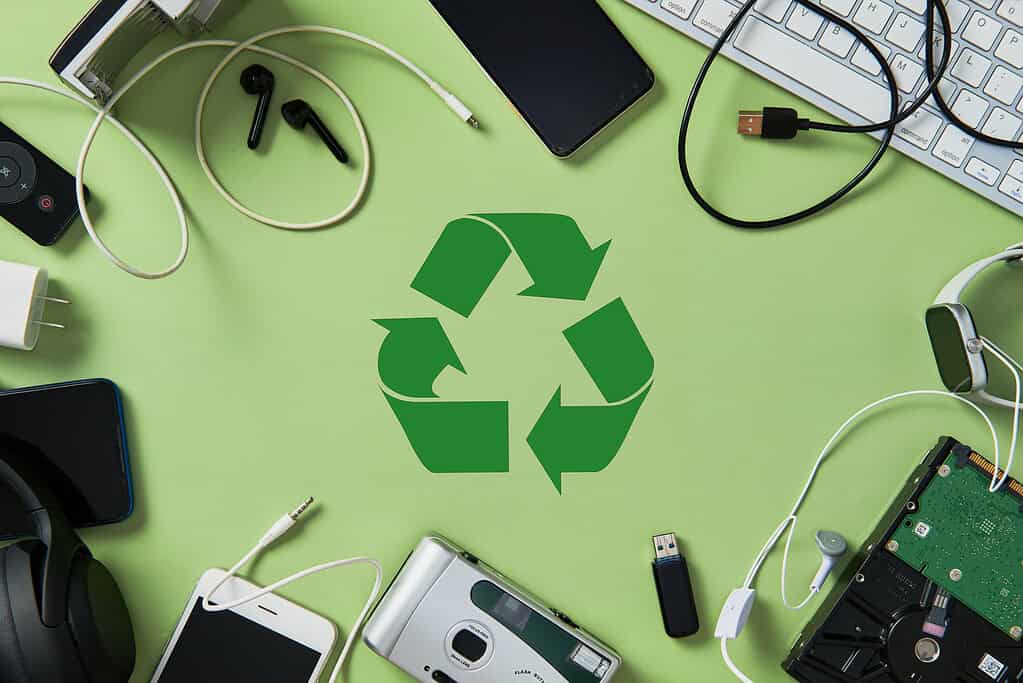
Supporting Questions: Businesses can balance data security and responsible recycling by making sure data-bearing assets are securely destroyed or sanitised before equipment enters the recycling process. The priority should always be to protect confidential and personal information first, then recover or recycle the remaining materials through an appropriate disposal route. This balance matters because redundant…
Read MoreHow Can Organisations Prove They Followed Secure Destruction Standards?

Organisations can prove they followed secure destruction standards by keeping clear, accurate and traceable evidence of how data-bearing assets were handled, destroyed and disposed of. This evidence should show what was collected, who handled it, where it went, which destruction method was used and when the process was completed. For businesses, proof matters because secure…
Read MoreIs Deleting Files Enough Before Disposing of a Computer?

Deleting files before disposing of a computer is not enough for most businesses. When a file is deleted, the computer usually removes the visible reference to that file rather than immediately removing every trace of the underlying data. In many cases, deleted files or fragments of information may still be recoverable from the storage device.…
Read MoreCan Physically Damaged Hard Drives Still Contain Recoverable Data?

Supporting Questions: Yes, physically damaged hard drives can still contain recoverable data. A drive that looks broken, dented, cracked or non-functional may still hold information on its internal platters. Unless the data-bearing components have been properly destroyed, there may still be a risk that files, records or fragments of information can be recovered using specialist…
Read MoreHow a Certificate of Destruction Hard Drive Protects Your Business

A certificate of destruction hard drive is a critical document for organisations that need to prove secure and compliant data disposal. Simply destroying a device is not enough. Without documented evidence, there is no way to verify that sensitive data has been permanently removed. For businesses operating under GDPR and other regulatory frameworks, having a…
Read MoreThe Financial and Legal Benefits of Using an HDD Shredder

Protecting sensitive data isn’t just about security — it’s also about protecting your bottom line. Whether you’re a large enterprise or an SME, the decision to invest in or hire an HDD shredder service can help your business stay compliant, avoid legal trouble, and cut long-term costs. Let’s break down why secure data disposal with…
Read MoreHow to Verify the Authenticity of a Data Destruction Certificate

As UK regulations around data handling continue to tighten, more businesses are recognising the importance of a data destruction certificate. This certificate serves as proof that sensitive information has been securely destroyed, ensuring compliance with laws like the Data Protection Act 2018 and GDPR. However, not all certificates are created equal — and using a…
Read MoreThe Real Hard Drive Destruction Cost UK Businesses Face for Non-Compliance

When UK businesses think about hard drive destruction cost UK, the focus is often on the upfront price of physical disposal. But the real cost of failing to destroy drives securely can be far higher—impacting your finances, legal standing, and reputation. In this article, we explore what happens when companies cut corners on data destruction,…
Read MoreIRONCLAD Erasure Verification: Securing Trust in Your Data Disposal Process

For UK businesses handling sensitive or regulated data, secure disposal is only part of the equation. Verifying that data has been completely and irreversibly destroyed is critical to regulatory compliance, operational integrity, and customer trust. That’s where IRONCLAD Erasure Verification becomes indispensable. This advanced solution from Garner provides automated, tamper-proof proof of data destruction—bridging the…
Read More