
Destruction
How Can Businesses Balance Data Security and Responsible Recycling?
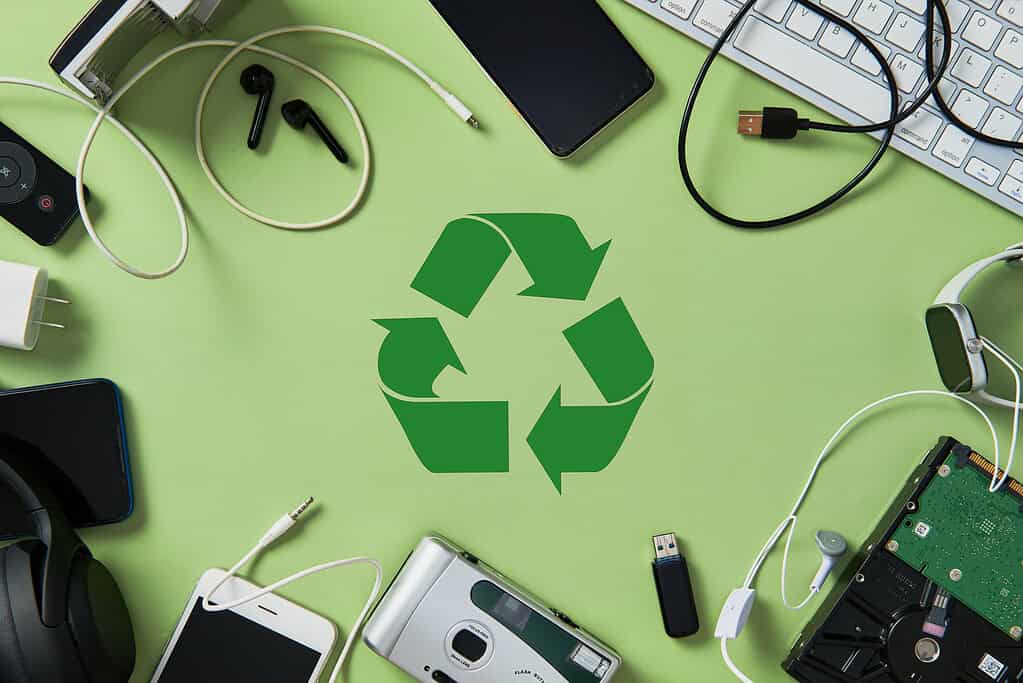
Supporting Questions: Businesses can balance data security and responsible recycling by making sure data-bearing assets are securely destroyed or sanitised before equipment enters the recycling process. The priority should always be to protect confidential and personal information first, then recover or recycle the remaining materials through an appropriate disposal route. This balance matters because redundant…
Read MoreWhy Do SSDs Need a Different Destruction Method from Hard Drives?
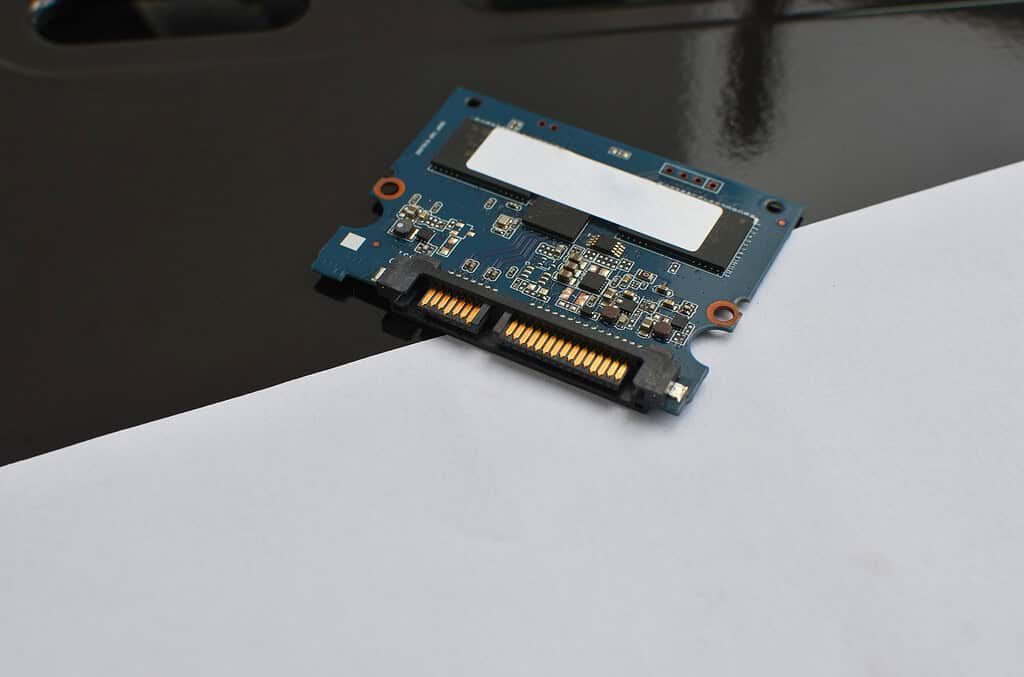
SSDs need a different destruction method from hard drives because they store data in a completely different way. Traditional hard disk drives use magnetic platters, while solid-state drives use flash memory chips. This means a destruction method that works well for one type of media may not work for the other. For businesses, this distinction…
Read MoreHow Can Organisations Prove They Followed Secure Destruction Standards?
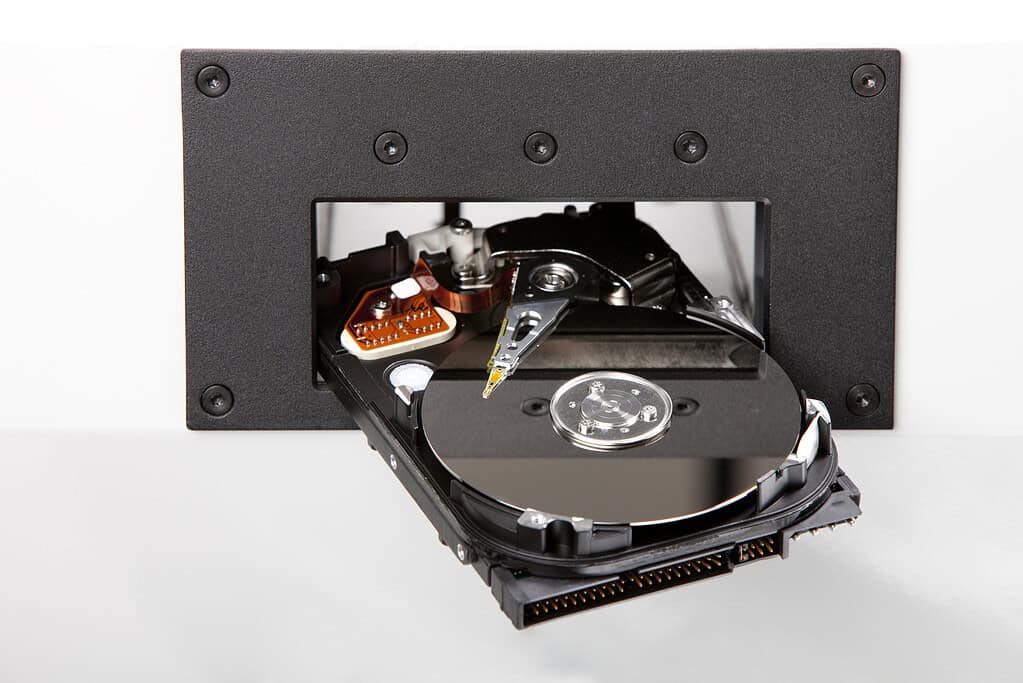
Organisations can prove they followed secure destruction standards by keeping clear, accurate and traceable evidence of how data-bearing assets were handled, destroyed and disposed of. This evidence should show what was collected, who handled it, where it went, which destruction method was used and when the process was completed. For businesses, proof matters because secure…
Read MoreIs Deleting Files Enough Before Disposing of a Computer?

Deleting files before disposing of a computer is not enough for most businesses. When a file is deleted, the computer usually removes the visible reference to that file rather than immediately removing every trace of the underlying data. In many cases, deleted files or fragments of information may still be recoverable from the storage device.…
Read MoreWhat Is the Best Way to Destroy Data on Flash-Based Storage?
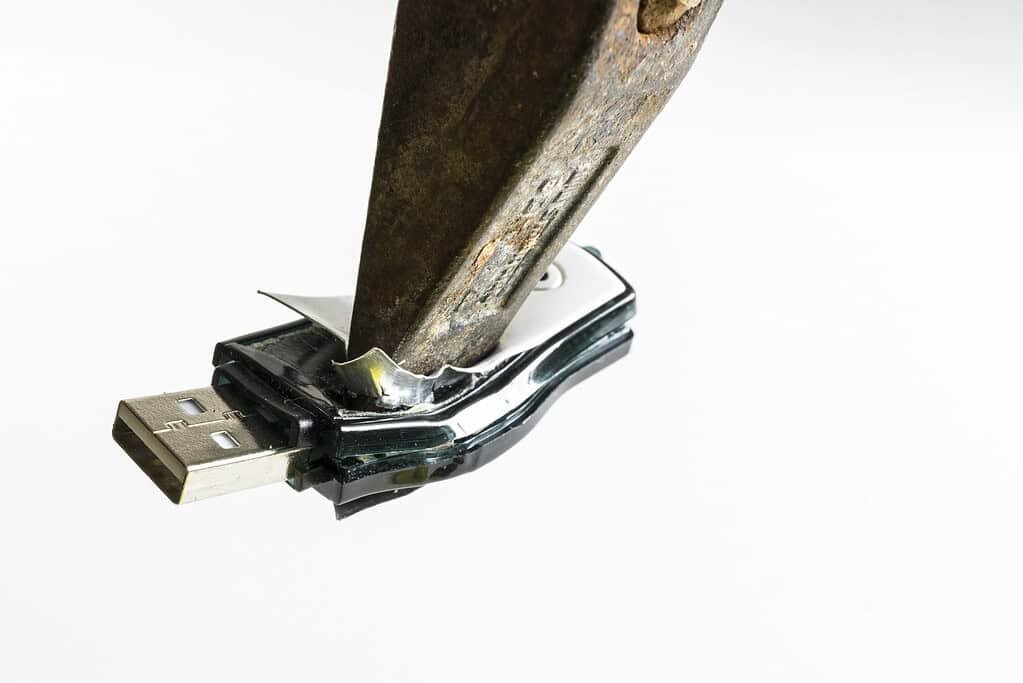
Supporting Questions: The best way to destroy data on flash-based storage is to use a destruction method designed for the specific type of device and the level of data risk involved. For end-of-life business assets, this often means physical destruction of the data-bearing memory chips, supported by a clear audit trail and a certificate of…
Read MoreCan Physically Damaged Hard Drives Still Contain Recoverable Data?
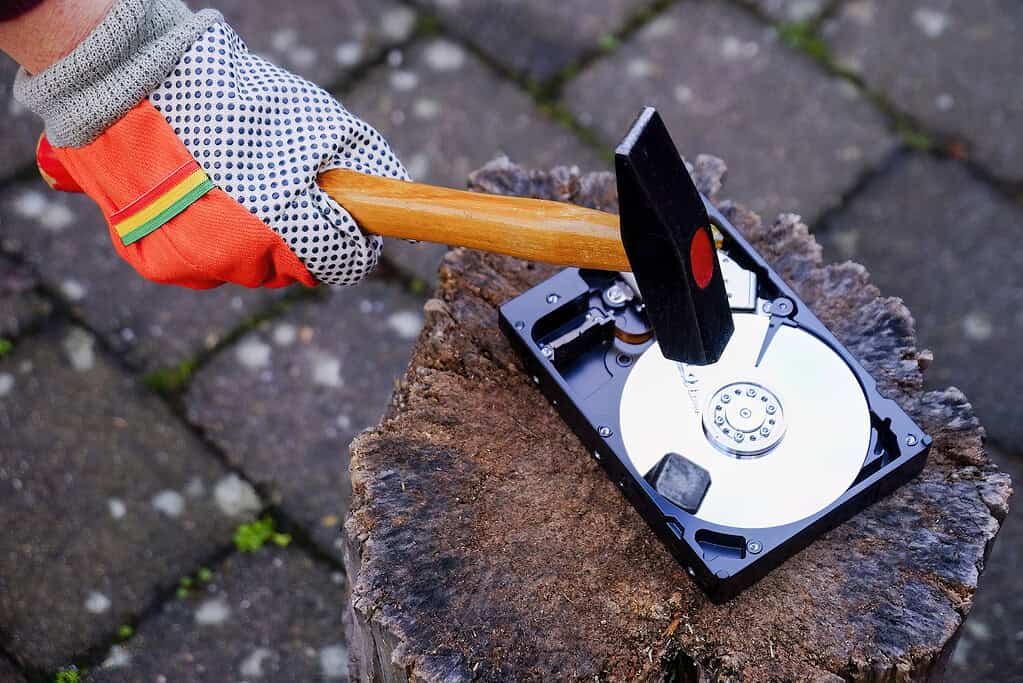
Supporting Questions: Yes, physically damaged hard drives can still contain recoverable data. A drive that looks broken, dented, cracked or non-functional may still hold information on its internal platters. Unless the data-bearing components have been properly destroyed, there may still be a risk that files, records or fragments of information can be recovered using specialist…
Read MoreQuickest Way to Destroy a Hard Drive: Methods Compared
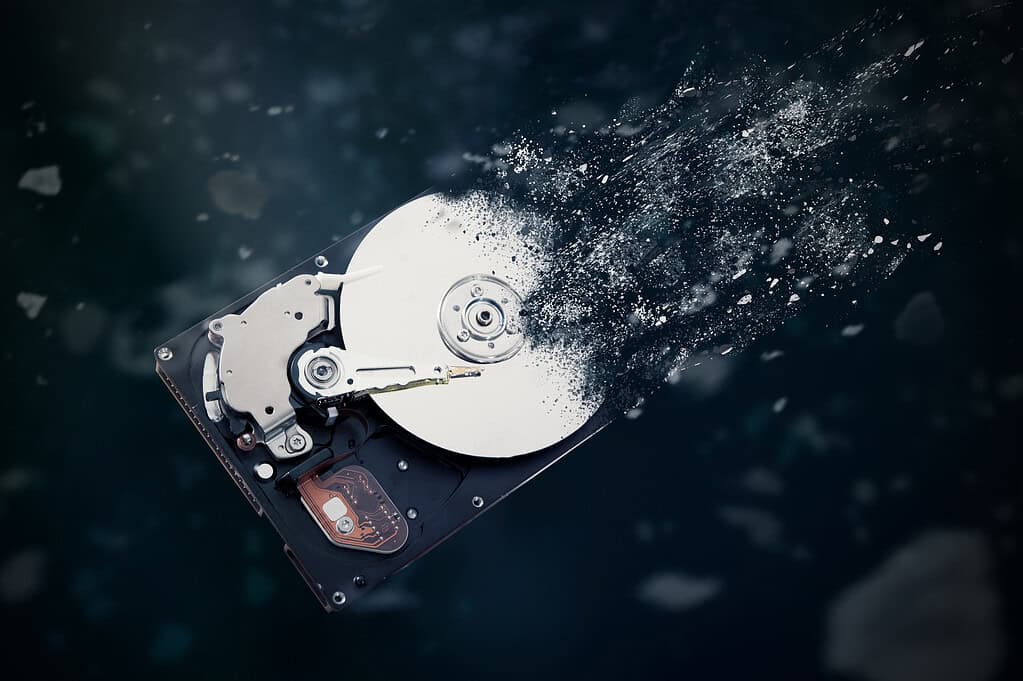
When time is critical, many organisations look for the quickest way to destroy a hard drive. Whether due to urgent equipment disposal, security concerns or operational deadlines, speed can become a priority. However, the fastest method is not always the safest. Choosing the quickest way to destroy a hard drive without considering security and compliance…
Read MoreRecycle Hard Drive vs Destroy: What’s the Difference?
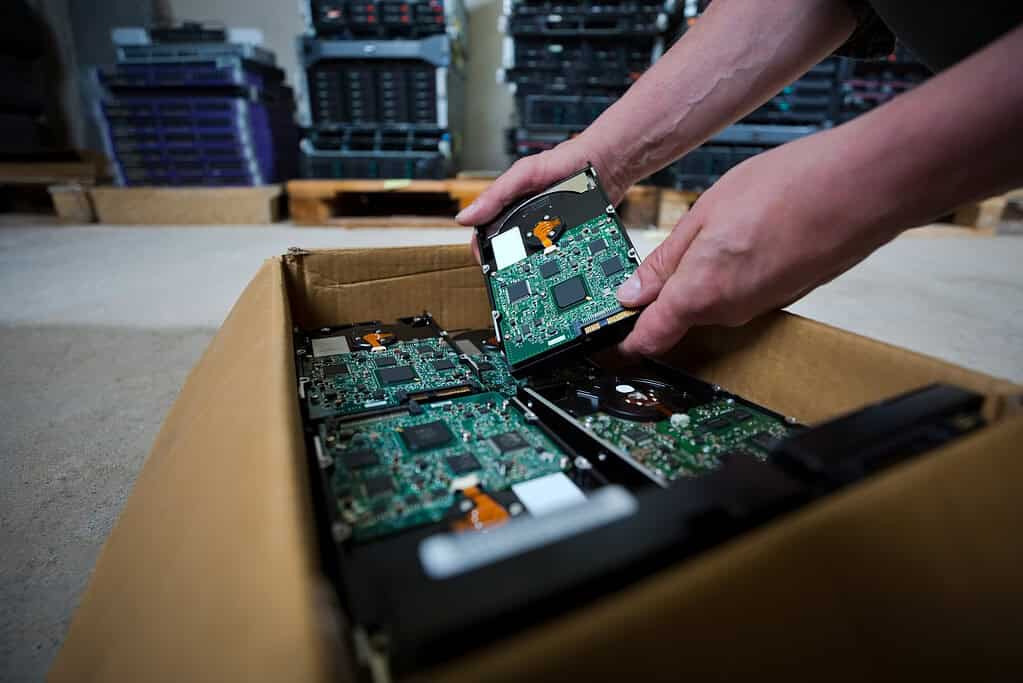
Choosing to recycle hard drive equipment may seem like a straightforward and environmentally responsible decision. However, without proper data destruction, recycling can expose organisations to serious data security risks. To recycle hard drive devices safely, it is essential to understand the difference between recycling and destruction, and why both processes often need to work together.…
Read MoreSecure Hard Drive Destruction Methods Compared
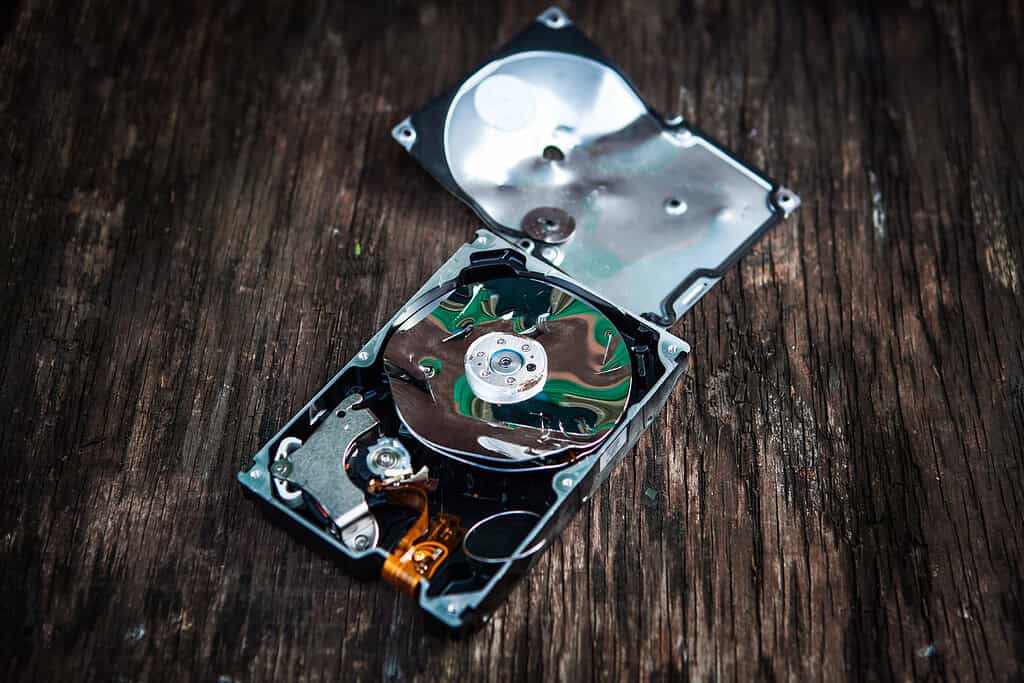
Secure hard drive destruction is a critical requirement for organisations handling sensitive or regulated data. Simply disposing of storage devices without proper controls creates a significant risk of data breaches, regulatory penalties and reputational damage. Understanding the different methods of secure hard drive destruction allows businesses to choose the most appropriate approach based on risk…
Read MoreDestroy Hard Drive Properly: Avoiding Data Recovery Risks
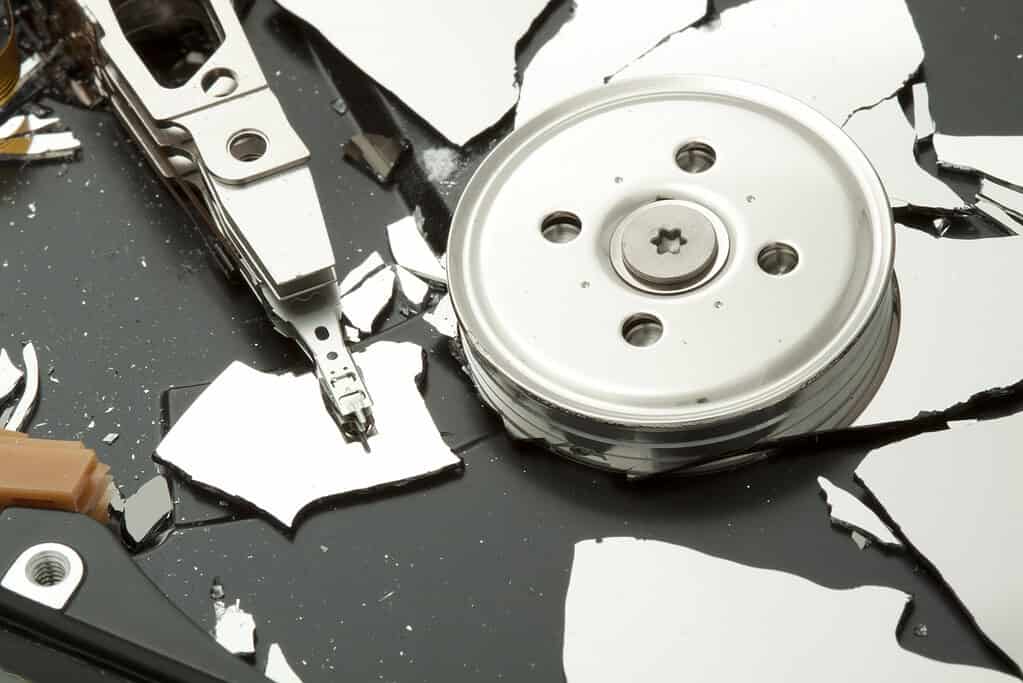
Destroy hard drive devices correctly is essential for any organisation handling sensitive data. Simply deleting files or formatting a drive does not remove the underlying data, leaving it vulnerable to recovery. For businesses operating under GDPR and other data protection regulations, improper disposal can lead to serious compliance breaches. Understanding how to destroy hard drive…
Read More